
Logo in the design
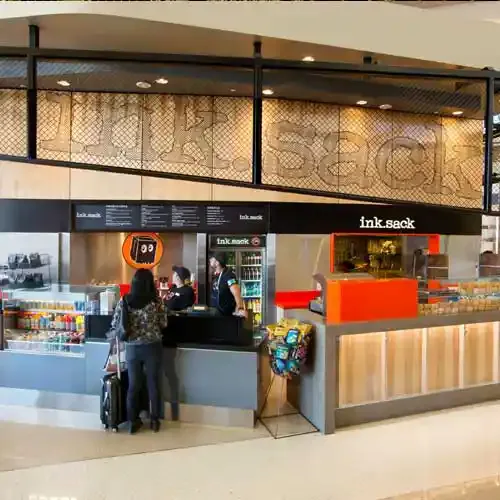
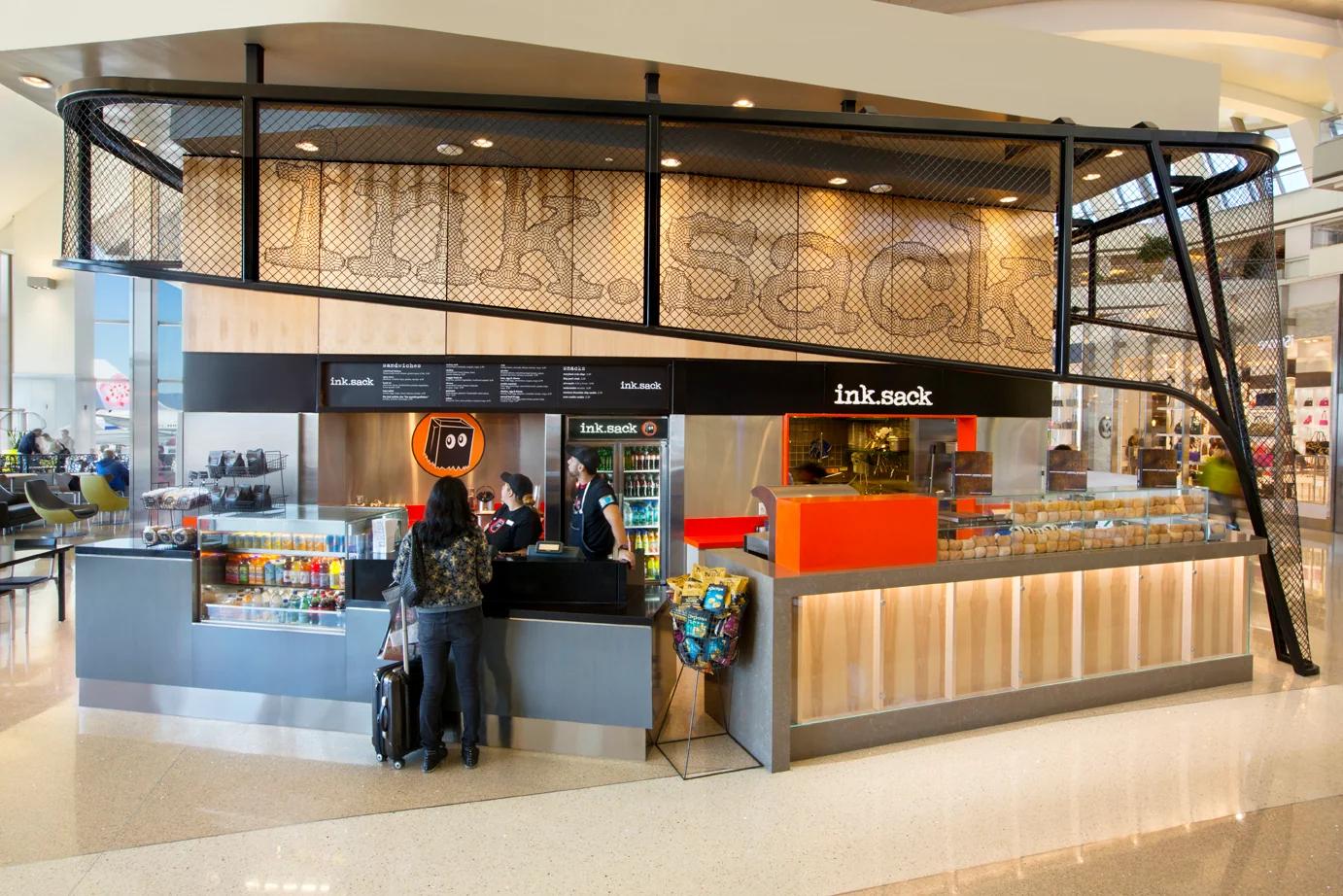
A logo can be part of the pattern instead of a sign on top of it. At Los Angeles Airport a food brand had its logo translated into a lace screen that keeps its visual clarity.
Solutions
A company wants to be recognised from afar, not only by the sign on the door. A brand facade makes the building itself carry the identity, with the logo, the brand colours or a story woven into the architecture rather than added as an afterthought.
Get in touch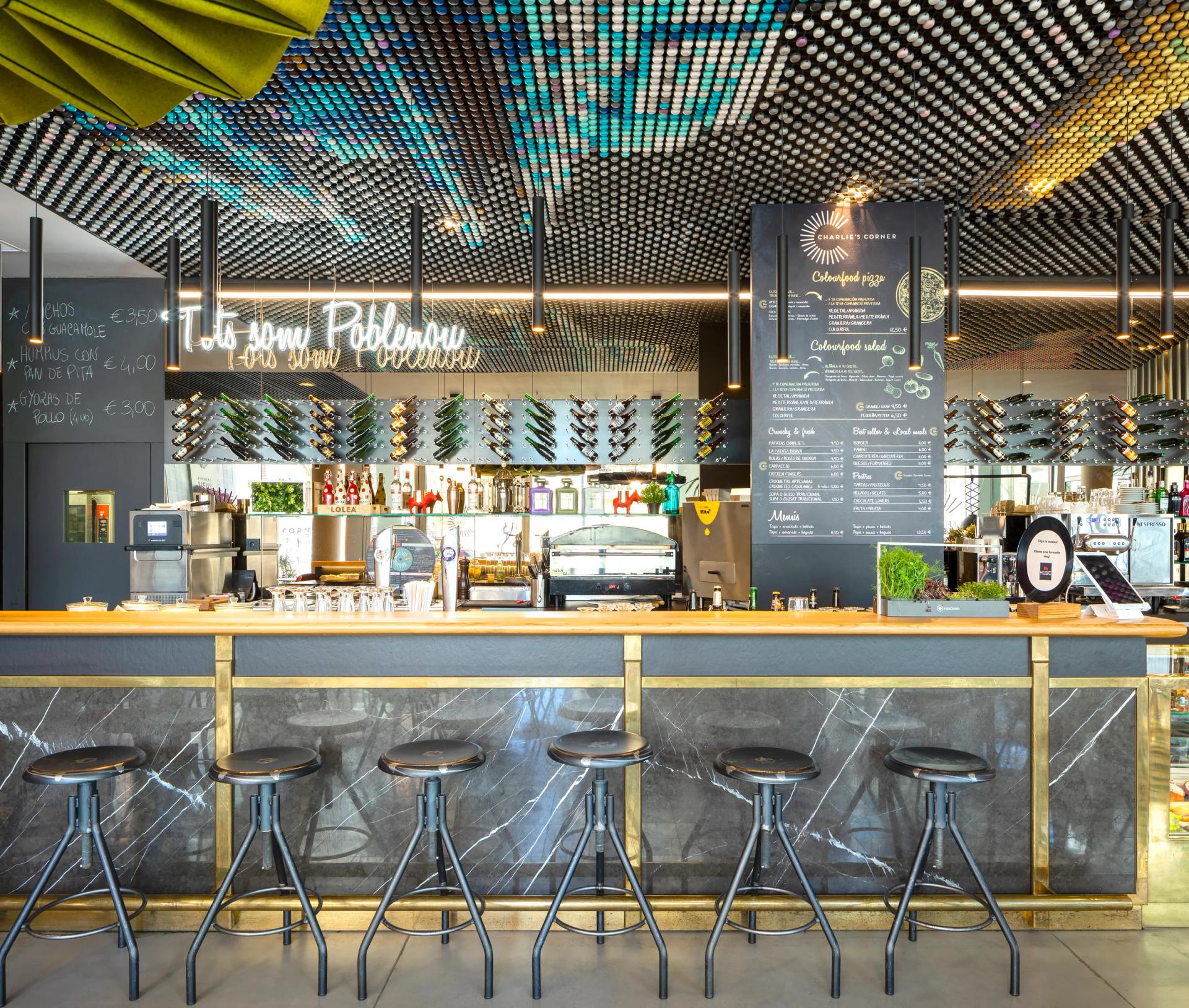
Corporate buildings often look interchangeable. The logo is added as a sign at the end of the project, and the facade itself says nothing about the company. For a brand that wants to be recognised and remembered, that is a missed opportunity on the largest surface it has.
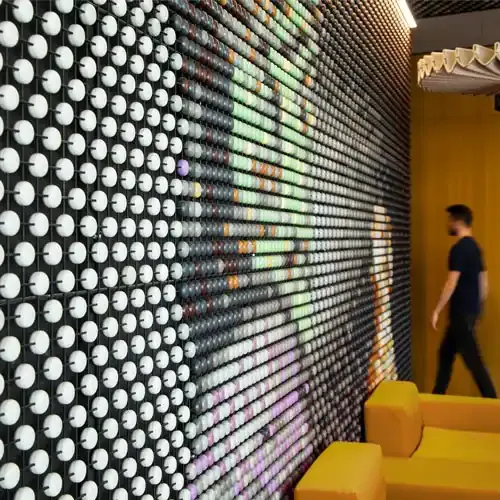
With Dedots a logo or brand image is translated into colourful dots, in 77 standard colours or custom shades developed to match the brand. With Lalace the identity is laced in steel. In Barcelona a Dedots artwork connects the lobby of an Accor hotel with the facade above its entrance in one story.
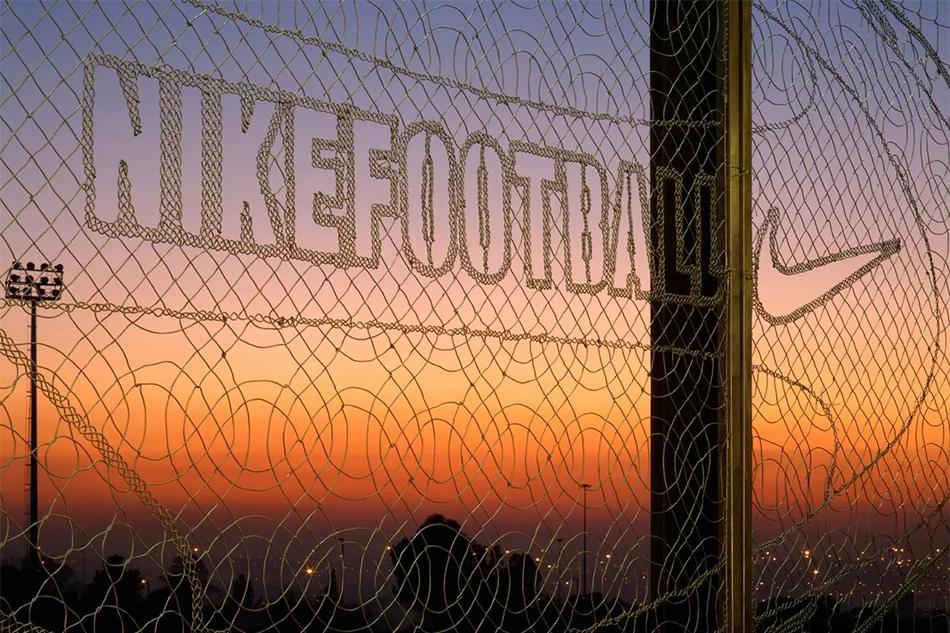
A brand facade works best when it tells more than the logo. In Soweto Nike and an African artist created a landmark screen with a soccer ball hidden in the pattern, and in Funchal goal nets carry Nike messages. Patterns can reflect brand identity and local culture at the same time.
A logo can be part of the pattern instead of a sign on top of it. At Los Angeles Airport a food brand had its logo translated into a lace screen that keeps its visual clarity.
Dedots comes in 77 standard colours, and Redfort can develop custom shades on request. That way the facade matches the exact colours of the brand and keeps them bright outdoors thanks to a UV blocker.
The strongest brand facades tell a story. The Nike landmark in Soweto, made for the FIFA World Cup in 2010, is visible from afar and hides a soccer ball in its pattern.
Reference projects
From an Accor hotel in Barcelona and a food brand at Los Angeles Airport to Nike projects in Soweto and Funchal, these brands put their identity into the architecture. Each brand facade or screen here was designed together with the client. Open a project to see how the brand was translated.
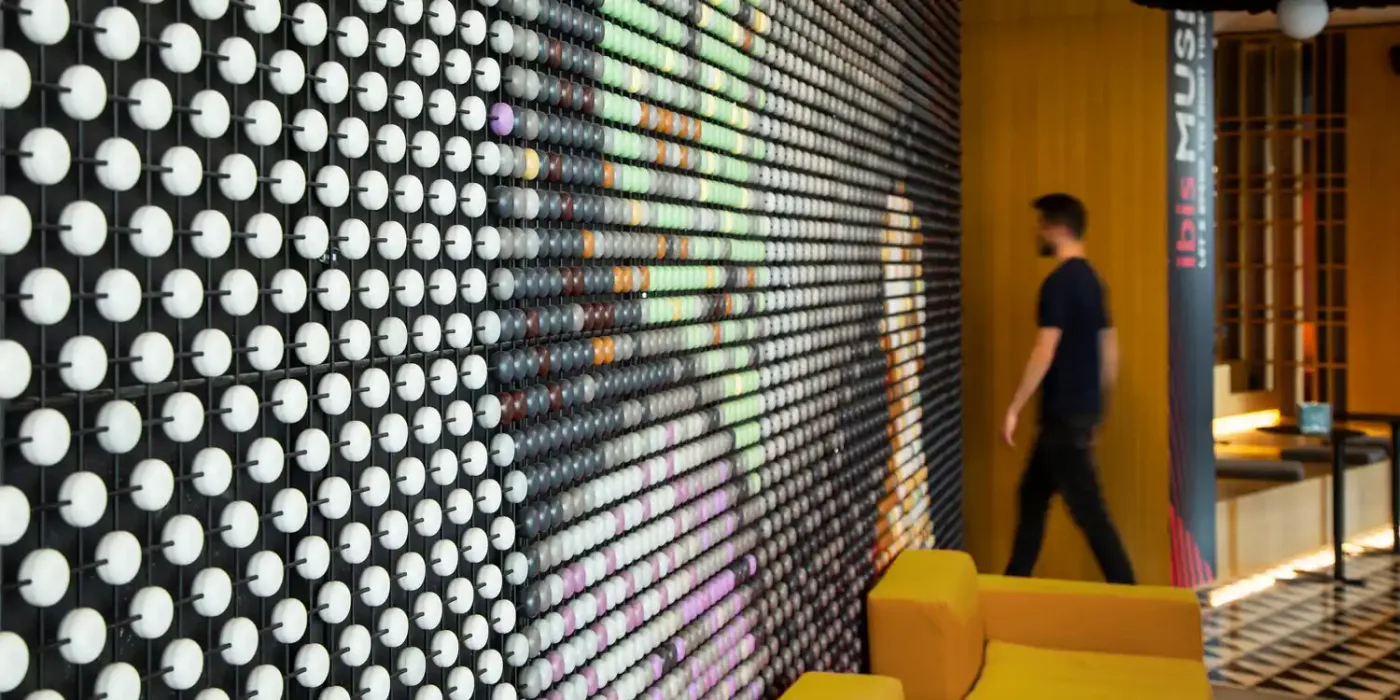
Dedots lobby & façade artwork for Accor Hotels Barcelona

Nike Soweto soccer facility landmark
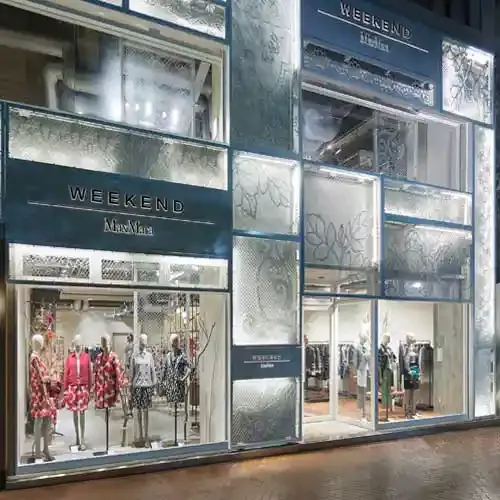
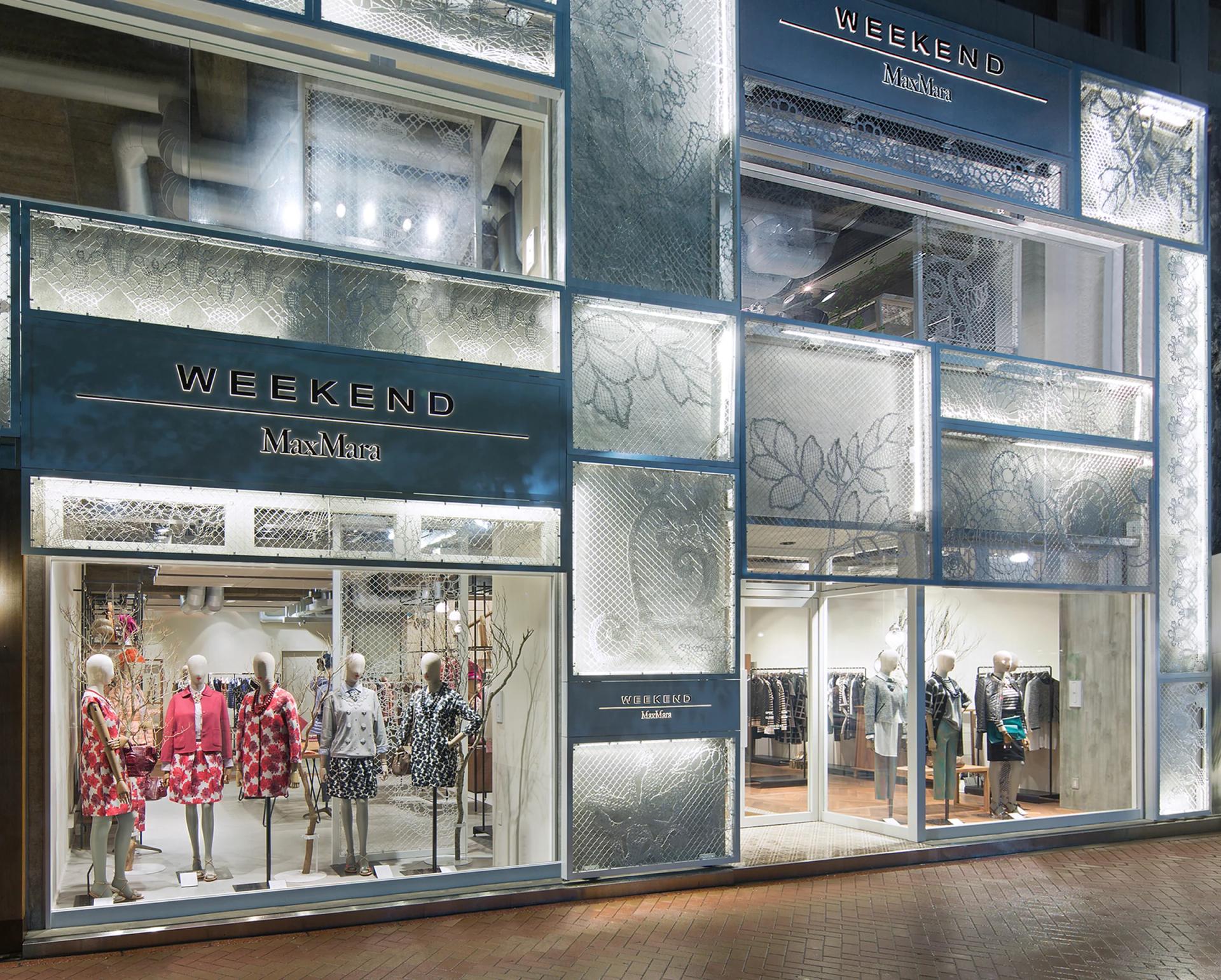
Lalace patterned facade screen for Tokyo fashion brand
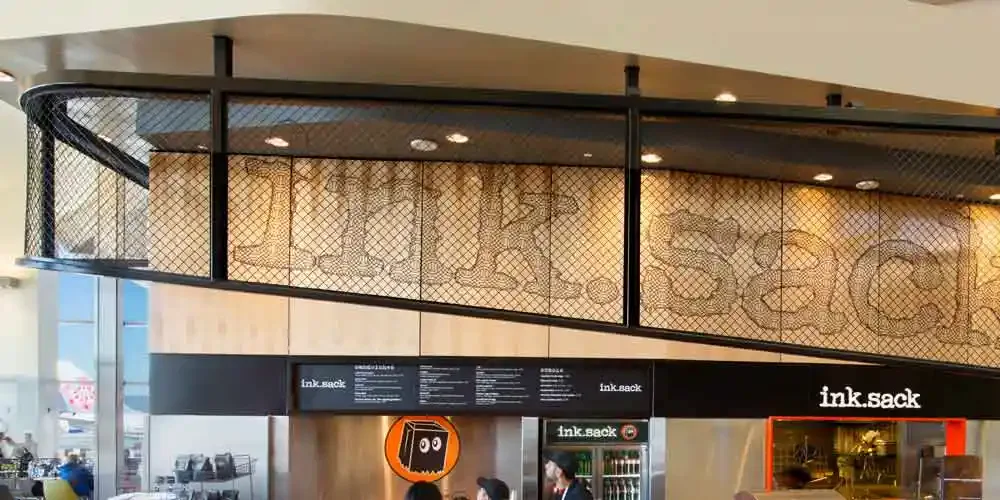
Custom screen as branded shop façade
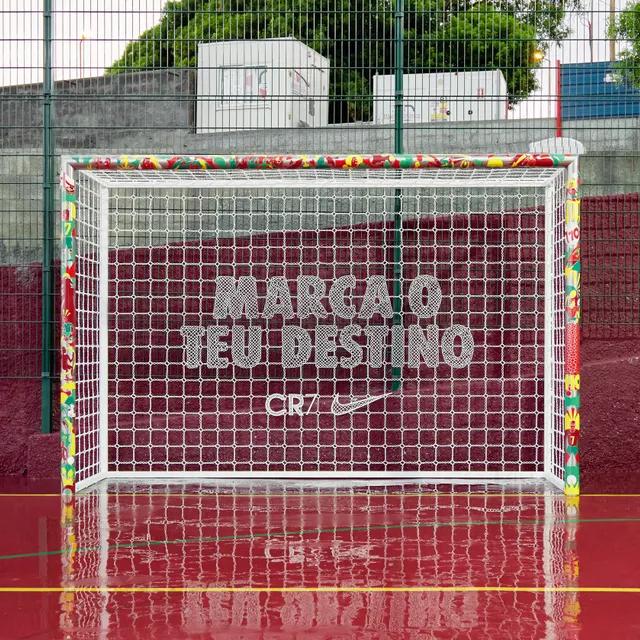
Sport complex netting and facades
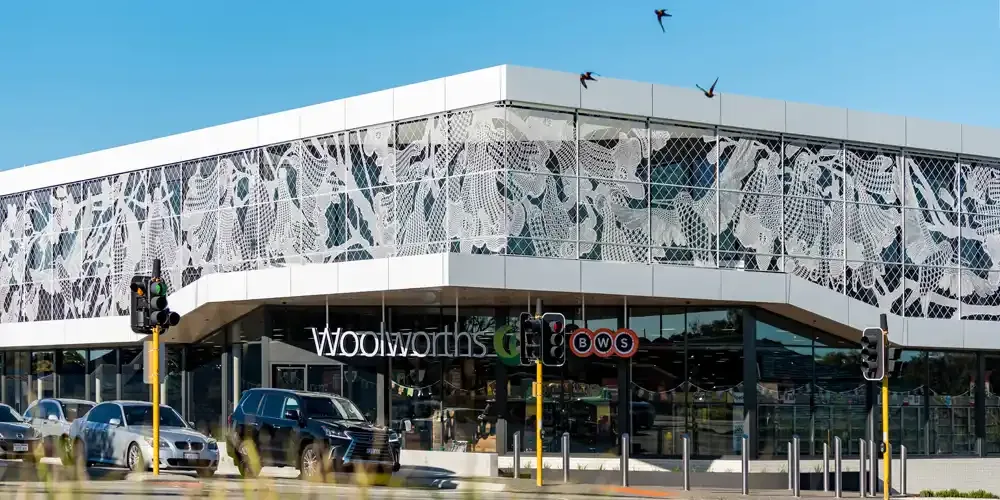
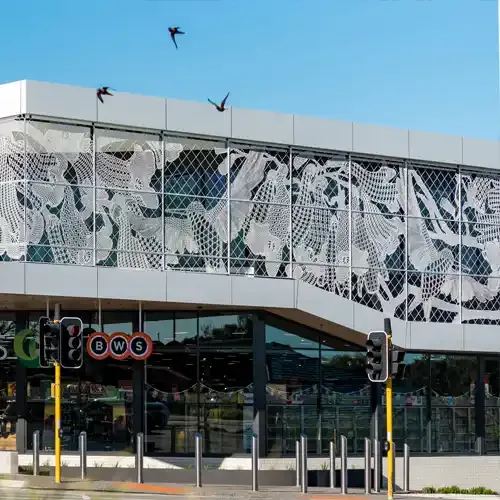
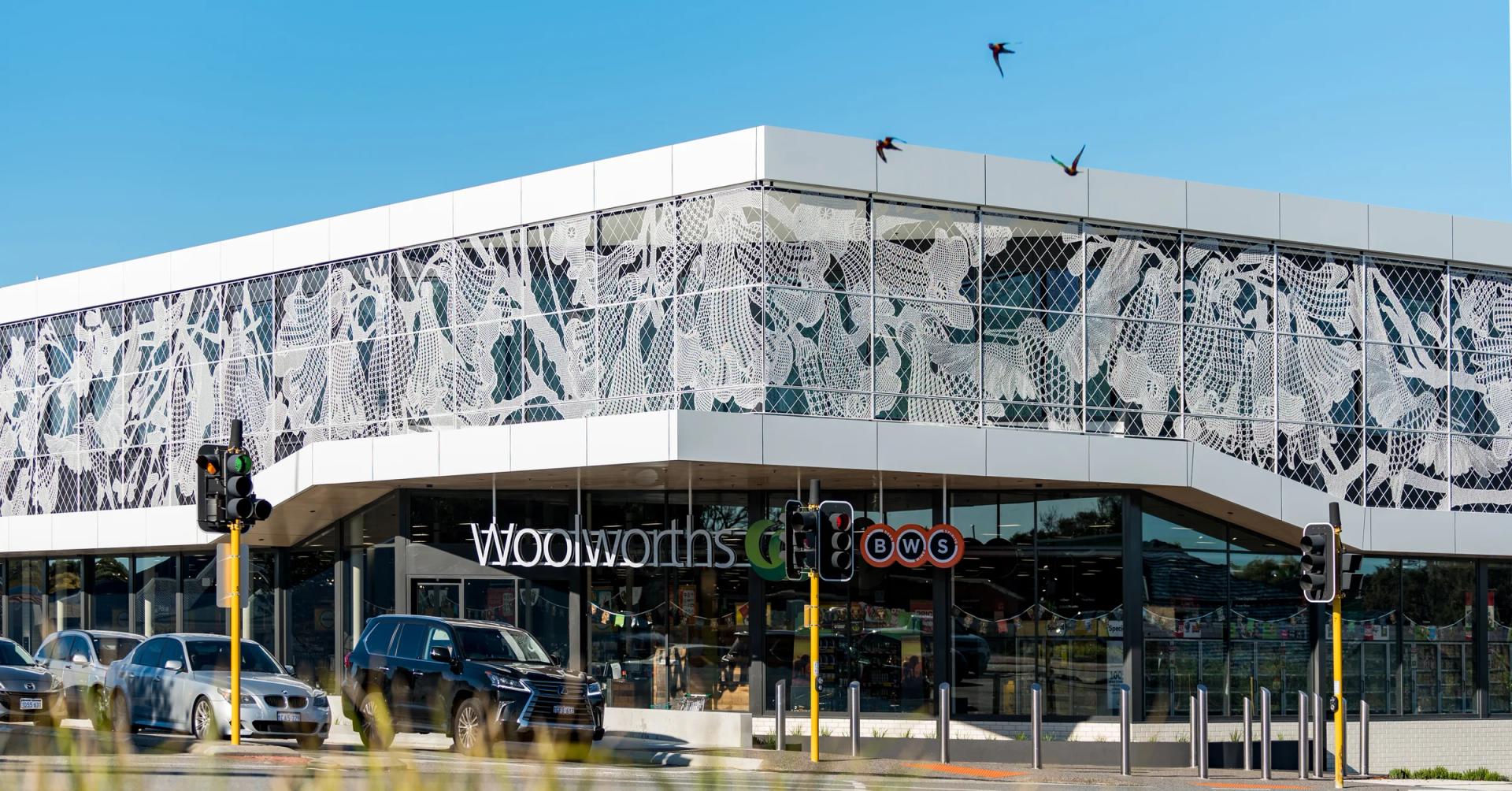
Woolworths Perth artistic facade
Yes. Logos can be included in Lalace patterns, as for a food brand at Los Angeles Airport, and with Dedots any logo is translated into colourful dots. Redfort guides the design process so the logo stays clear at the scale of the building.
Yes. Dedots has 77 standard colours, and custom shades can be developed on request to match any vision. The dots are coloured all the way through. Welded Lalace can be powder coated in a wide range of colours.
No. A brand story can also be told through a pattern or an image. In Barcelona a 160 m² Dedots artwork by Jupiterfab links the hotel lobby with the facade above the entrance, and in Soweto a soccer ball is hidden in the pattern.
Yes. Companies need facades that communicate professionalism, and steel mesh can secure, shade and reinforce brand identity at the same time. On large business sites the same design can continue in fences and gates. Read more about office projects.
Dedots contains a UV blocker that keeps brand colours bright, and it performs in all weather conditions. Lalace has highly UV resistant coatings and works from minus 40 to plus 40 °C. Both withstand intensive use.
Start with your logo, colours or story. Redfort translates it into a Lalace or Dedots design and helps you choose the colours, the density and the mounting for your building. Contact us with your idea.