Guidance
Fences and railings in parks and squares guide visitors and structure open areas while keeping them accessible. A pattern makes the route recognisable, which improves wayfinding for everyone who uses the place.
Solutions
A square, park or street without character is a place people pass through, not one they remember. Public space design needs elements that guide visitors, protect them and show where they are. Redfort makes fences, screens and railings that do all three at once.
Get in touch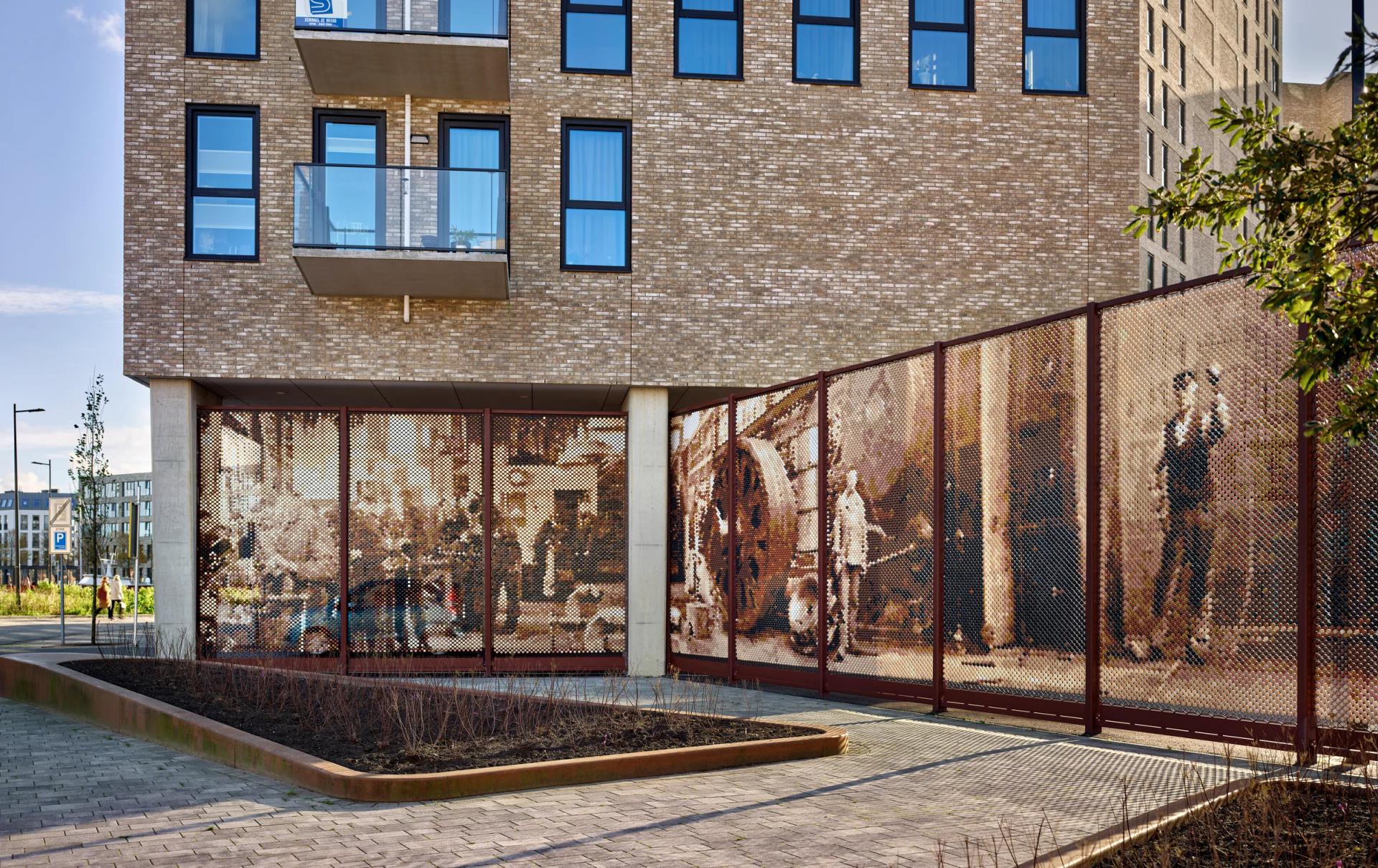
Municipalities need fences, barriers and screens in public space for safety, wind or noise. Usually these are standard products, and they end up as hard, anonymous edges that separate rather than connect. The place gets safer but loses quality, and the edges become targets for graffiti and wear.
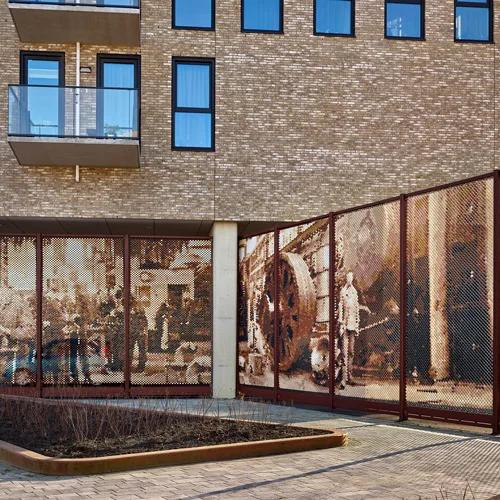
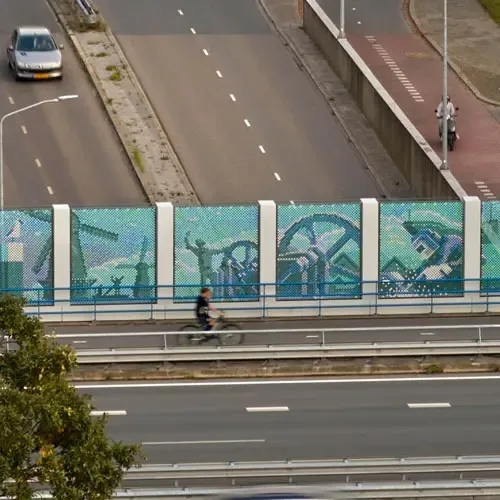
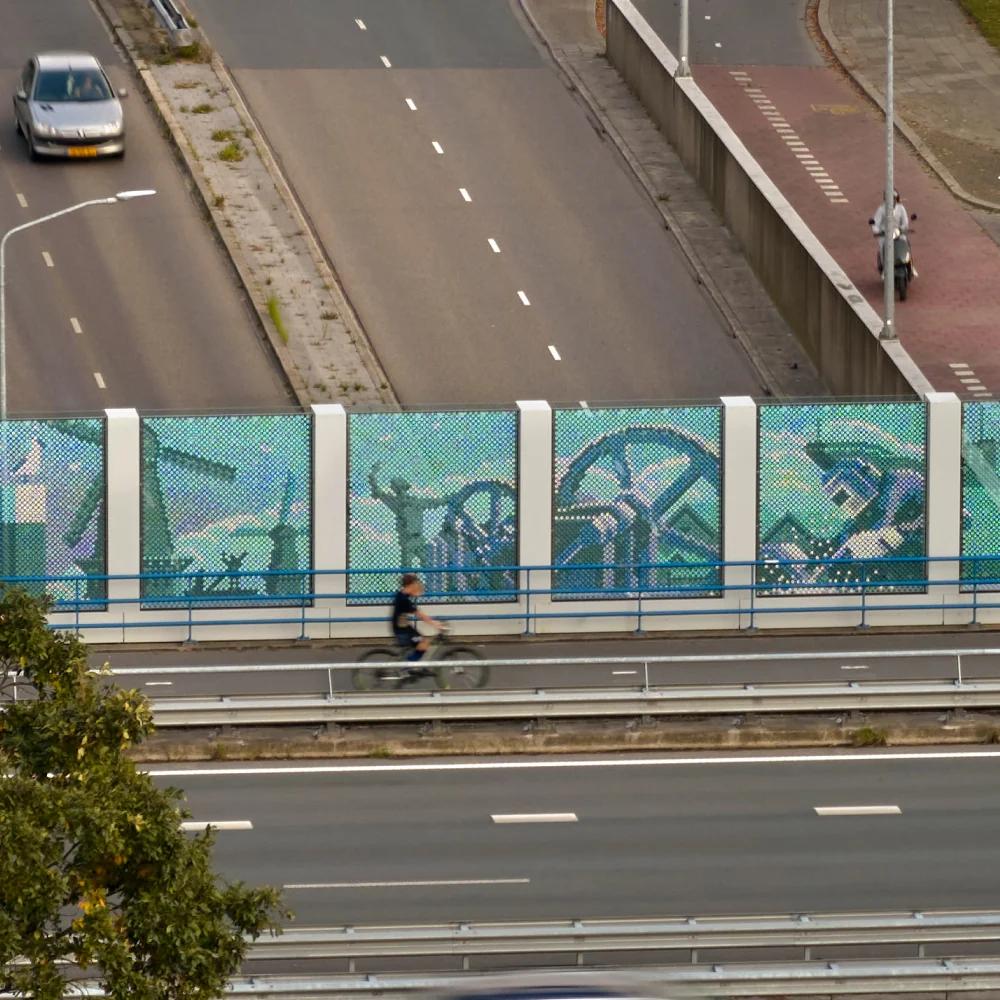
Redfort turns these elements into carriers of local identity. In Vlissingen a 4 metre Dedots windscreen with archive images of the Schelde shipyard shields the entrance to the Scheldekwartier. In Dordrecht a 60 metre noise barrier shows iconic buildings and water sports, and its dot pattern also works against graffiti.
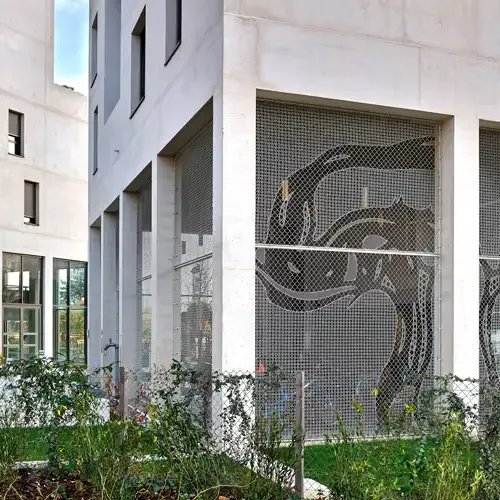
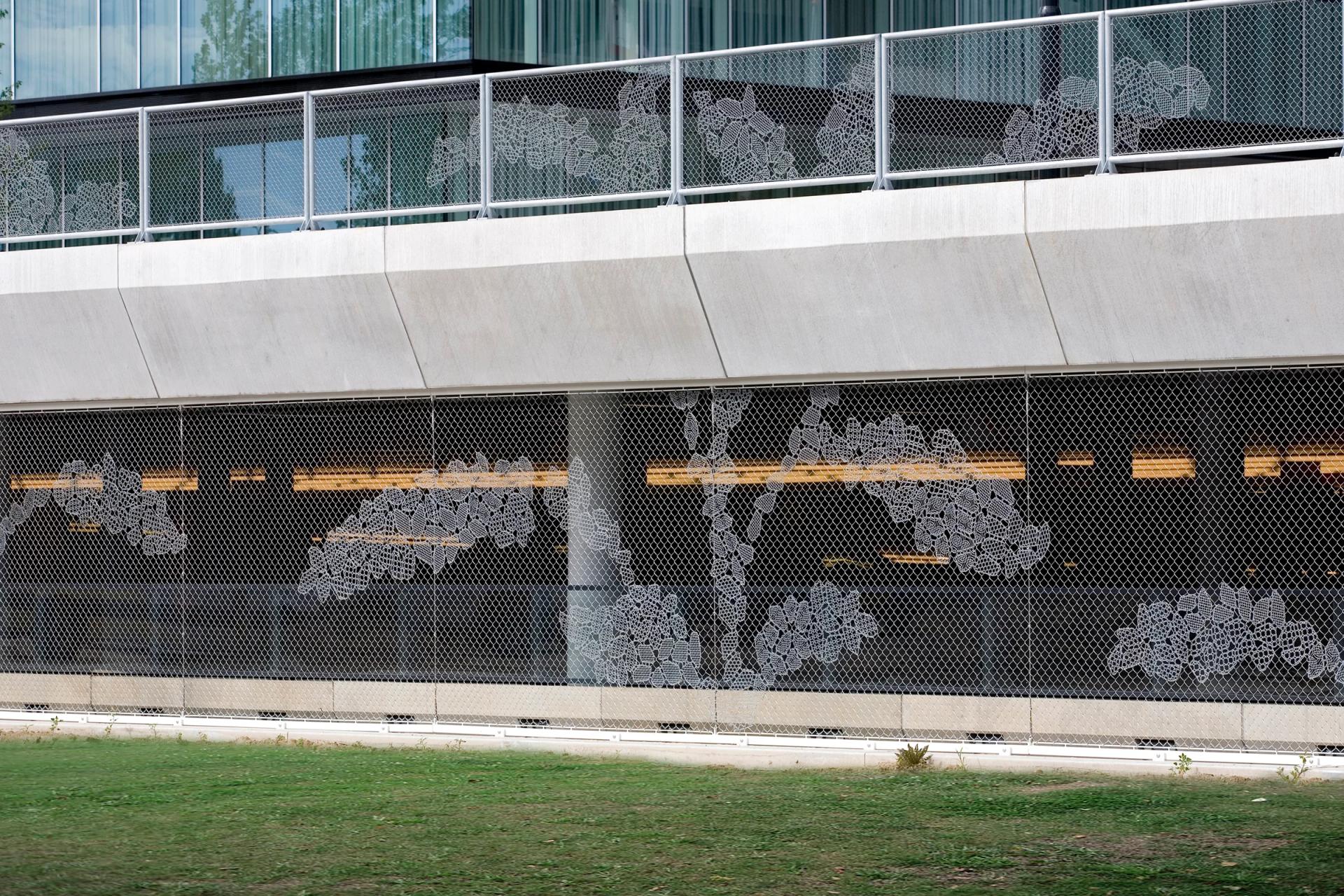
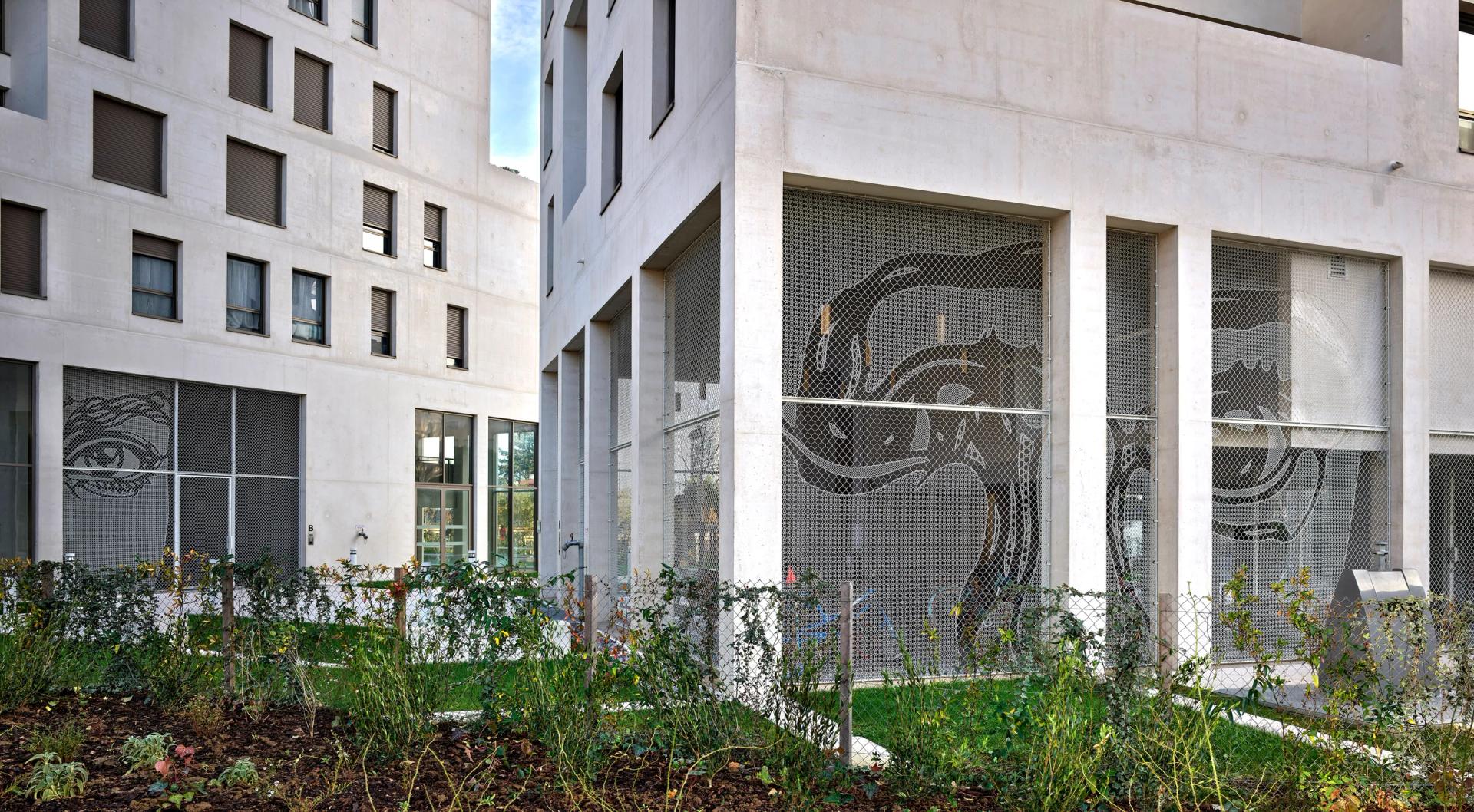
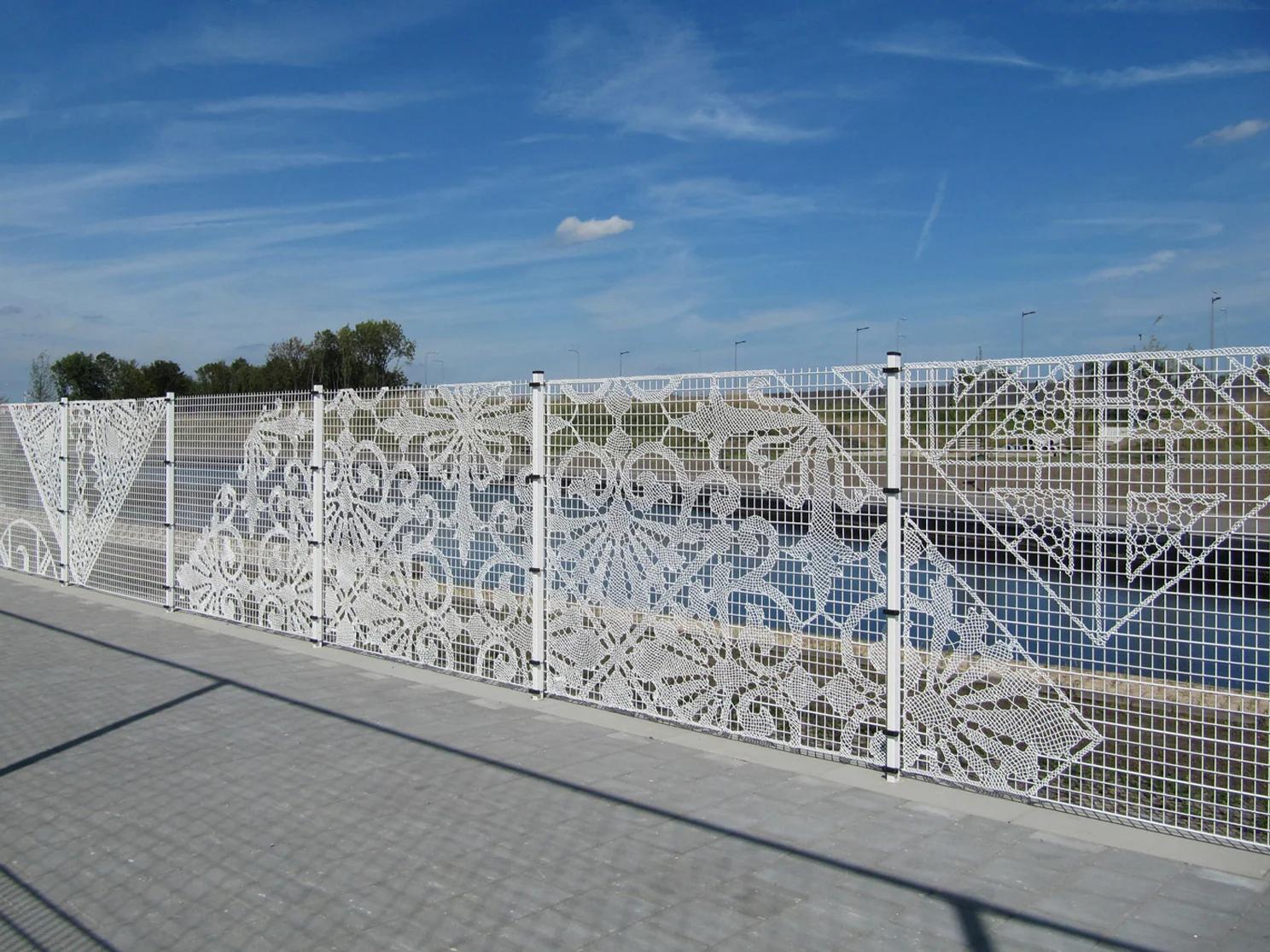
With Lalace parks and streets get lighter boundaries. In Utrecht tree patterns connect a parking area with the square, and along the Seine in Paris portraits of local residents form the fences of a riverside park. Read more about public projects.
Fences and railings in parks and squares guide visitors and structure open areas while keeping them accessible. A pattern makes the route recognisable, which improves wayfinding for everyone who uses the place.
The mesh sizes prevent climbing and railing designs meet EU standards for fall through protection. Dedots enclosures reduce wind and withstand high impact, as the windscreen at a windy roundabout in Vlissingen shows.
Patterns can tell the story of a place. In Amsterdam more than 300 residents were interviewed for the pattern of a sports park fence, which now celebrates the 80 cultures living in the area.
Reference projects
From Vlissingen and Dordrecht to Utrecht, Paris, Toronto and Amsterdam, these squares, parks and roads received elements that protect people and tell a story. Each project shows public space design that gives a place its own identity. Open a project to see the place and the pattern.
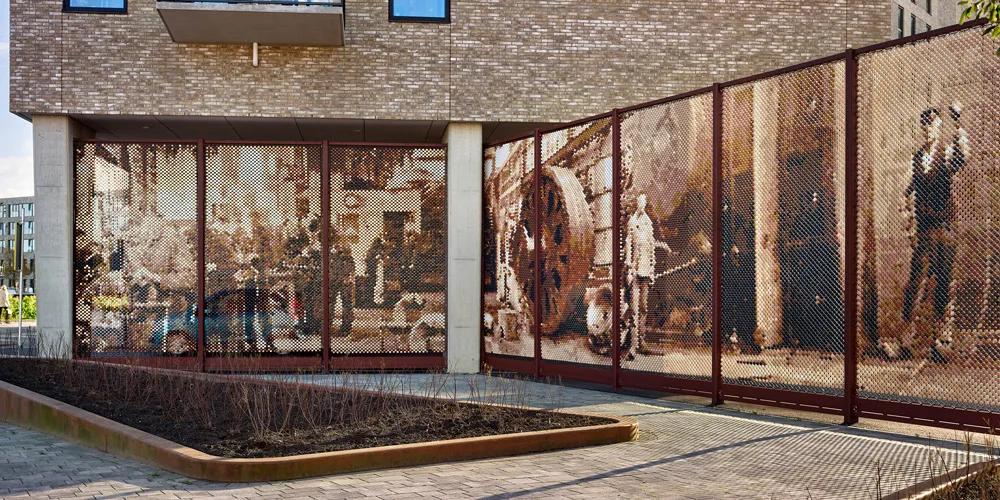
Dedots colorful screen fence for wind shield & landmark entrance
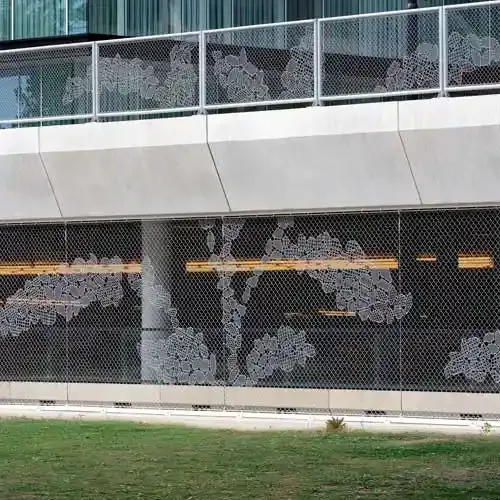
Lalace enclosure for urban parking and green spaces

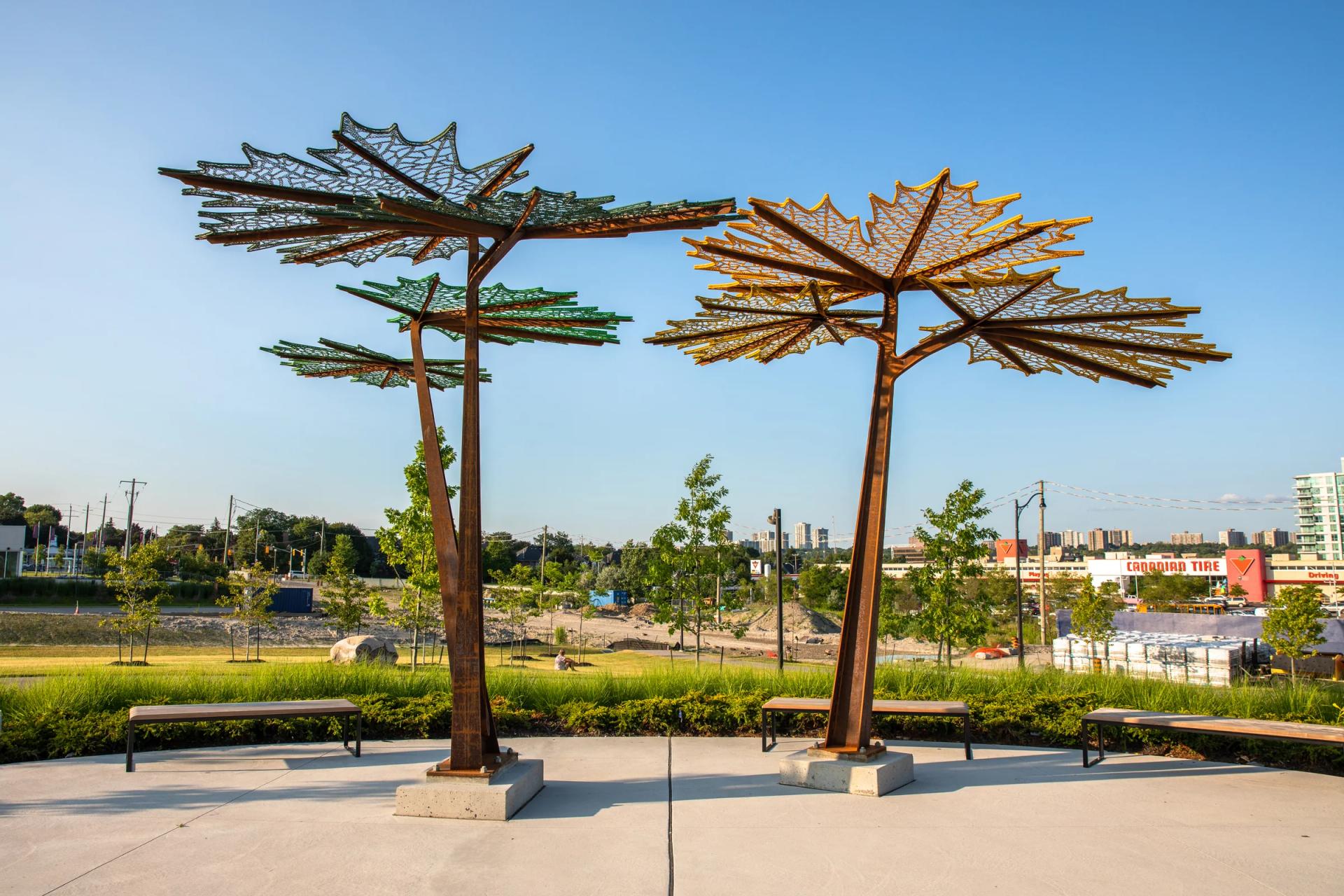
Landmark pergola art piece
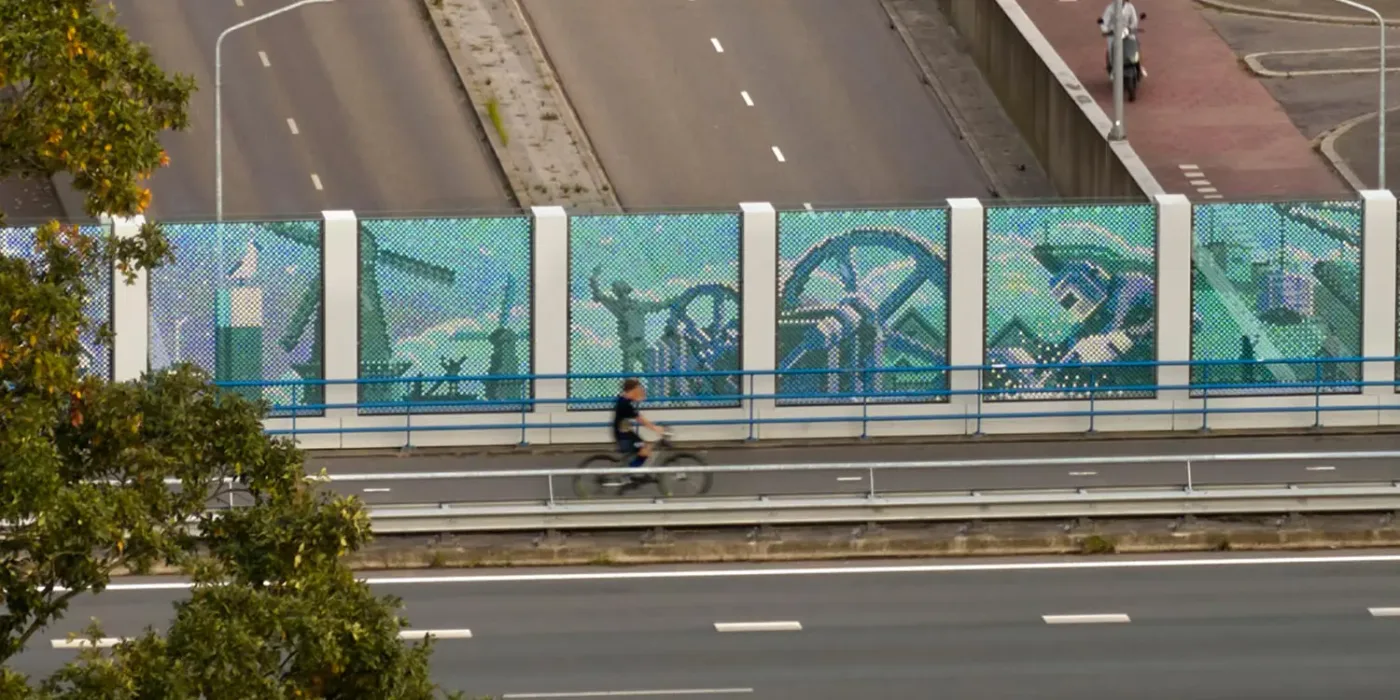
Dedots noise barrier as 60-meter city tableau for Dordrecht
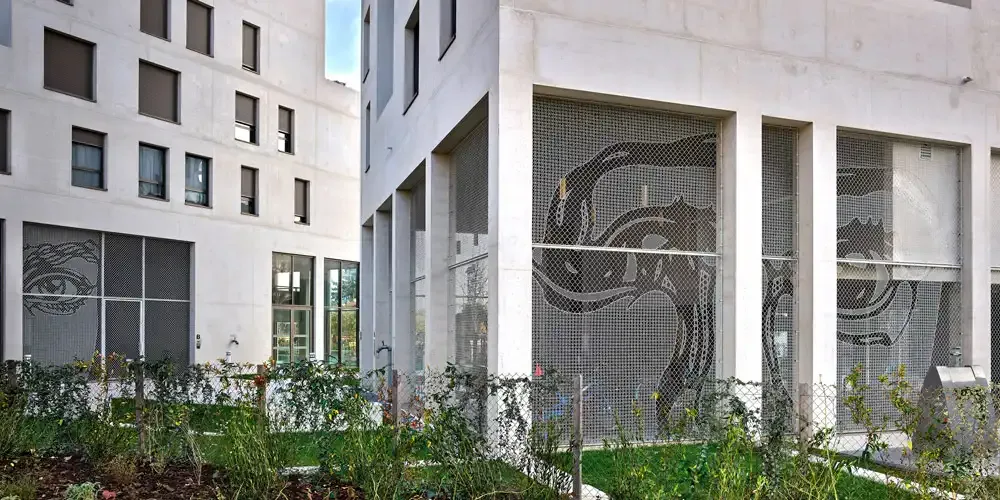
Riverside portrait panels in Paris
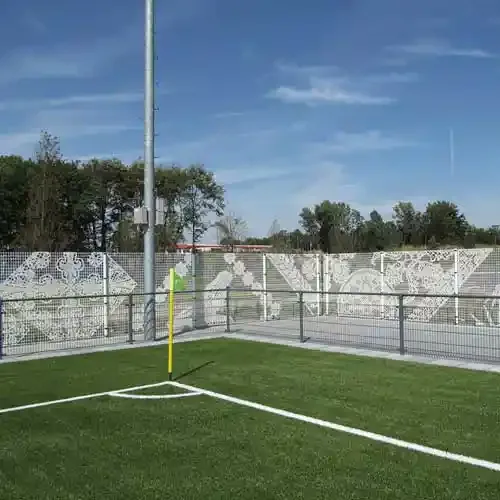
Community-inspired sports park fence
Fences, gates, railings, screens, noise barriers, nets and pergolas. In Toronto a Lalace pergola with sculpted trunks became a landmark and meeting place in a residential park, giving shade and a reason to gather.
Yes. A wind study in Vlissingen showed excessive wind at a roundabout, and a Dedots windscreen now reduces its impact. The density of the pattern controls how much wind passes, and the screen also tells the history of the area.
Yes. On the noise barrier in Dordrecht the colourful dot pattern serves as a measure against graffiti and conceals damage. Dedots panels are resistant to vandalism, and Lalace is TNO tested and passes the sandbag impact test.
By building the pattern on their stories. For a sports park in Amsterdam over 300 people were interviewed about the patterns they feel related to, and in Paris artist Christian Guemy made portraits of local residents for the riverside fences.
Yes. The specific mesh sizes prevent climbing, and railing designs meet EU standards for fall through protection. The panels resist UV, moisture and vandalism, so fences in parks and near playgrounds stay safe under intensive use.
Start with the place and its story. Redfort guides the creative process from first idea to realisation and helps choose the product, the pattern and the mounting. Contact us to discuss your square, park or street.