
Measured effect
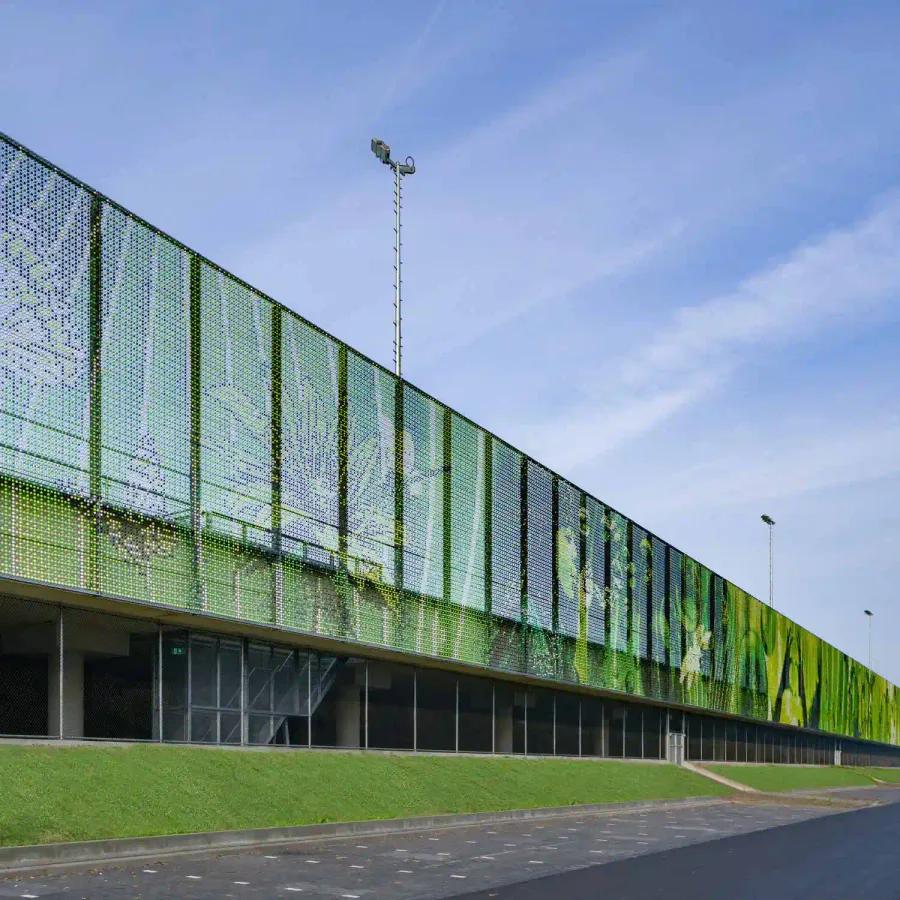
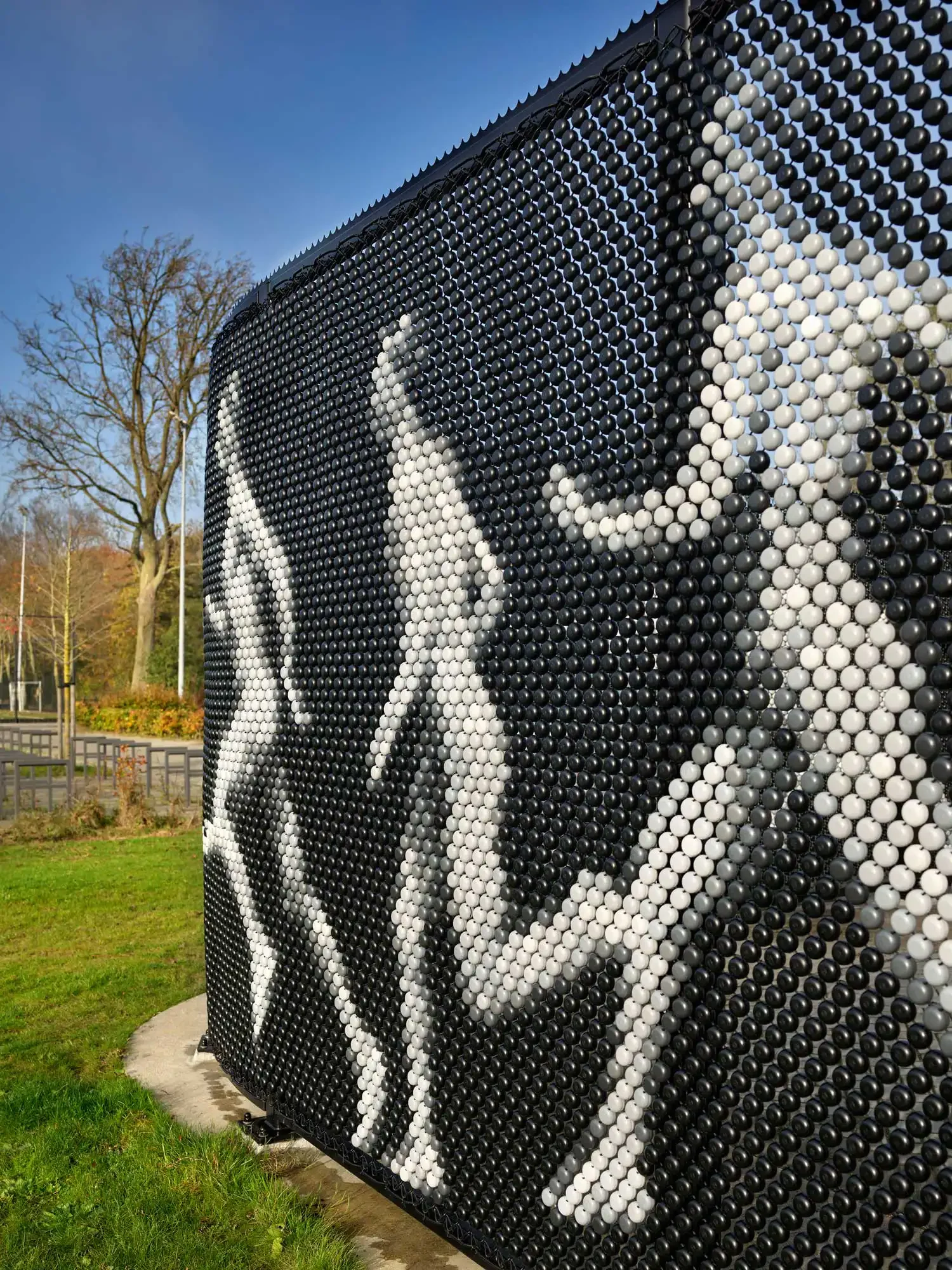
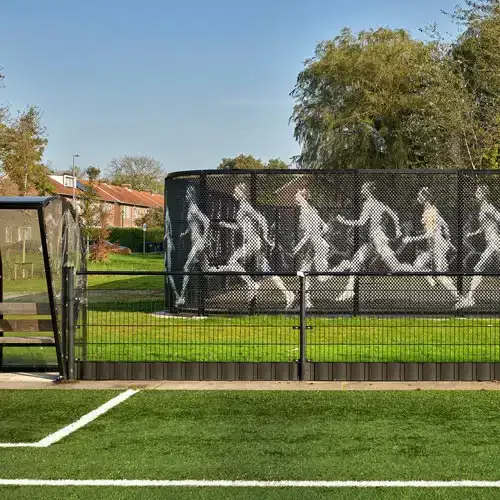
The architect of a sports park near Rotterdam asked for a fence that would cut the force of wind on the field by 40%. The dots deliver that reduction while they tell the story of the sports played.
Solutions
Wind makes sports fields, terraces and entrances uncomfortable and sometimes unsafe. A solid wall blocks the view and feels industrial, while open fencing does nothing against the wind. Redfort makes windbreak fences that reduce wind and turn the screen into an image people enjoy.
Get in touch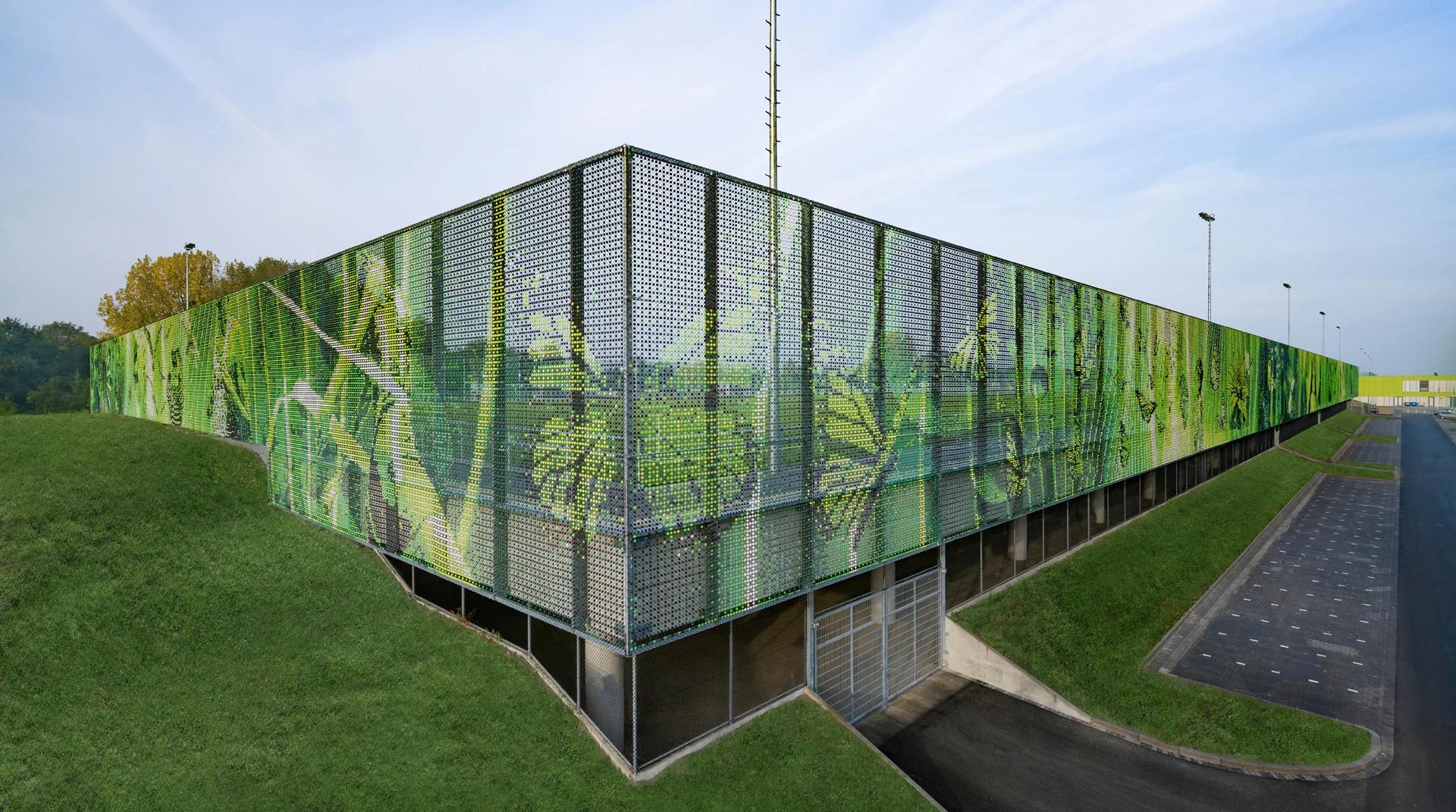
Wind disturbs play on outdoor fields, blows debris around and makes waiting at an entrance unpleasant. Standard windbreaks are visually bland and purely utilitarian. They block views or feel industrial, and they add nothing to a park or a public space that people should enjoy being in.
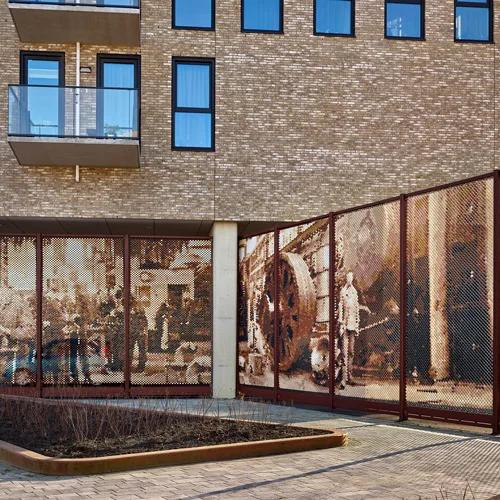
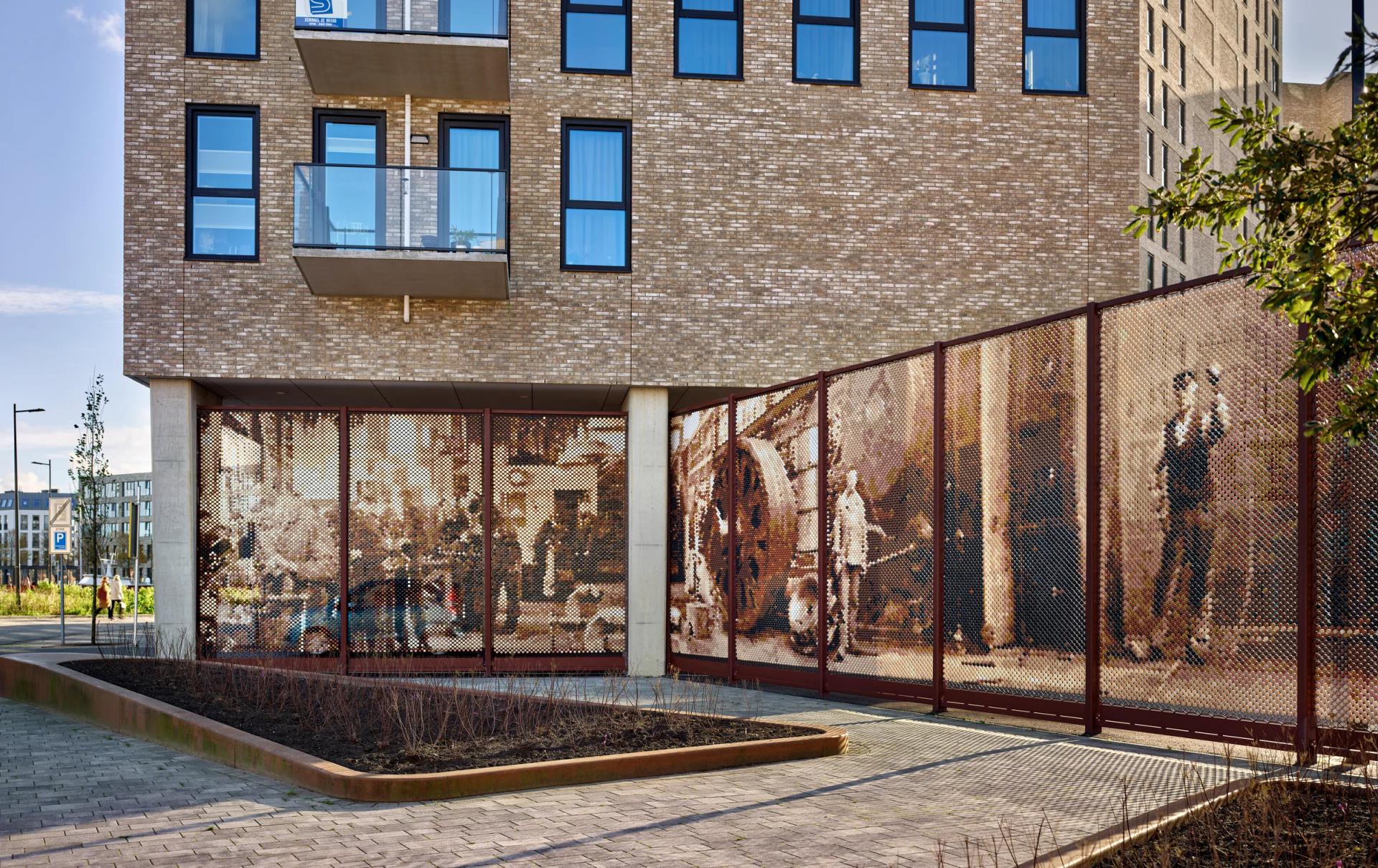
Dedots filters the wind through the density of its dots, from dense to transparent. Near Rotterdam a Dedots enclosure reduces the force of wind on a sports field by 40%. In Vlissingen a 4 metre windscreen with archive images of the Schelde shipyard shields a roundabout and a loading area.
The density can vary across the fence, through patterns, gradients or cleared areas, so you decide where wind and view pass. Dedots withstands high impact and performs in all weather conditions. For a wind study or a design proposal, contact us or download the Dedots catalogue.
The architect of a sports park near Rotterdam asked for a fence that would cut the force of wind on the field by 40%. The dots deliver that reduction while they tell the story of the sports played.
The mesh structure stays porous, so wind is filtered instead of blocked. In Vlissingen the screen protects the area behind it and still feels open and expressive from the street.
Depending on the density, Dedots can also serve as a sunshade on sports fields. One fence can then shelter players, coaches and spectators from both wind and sun, without closing off the field.
Reference projects
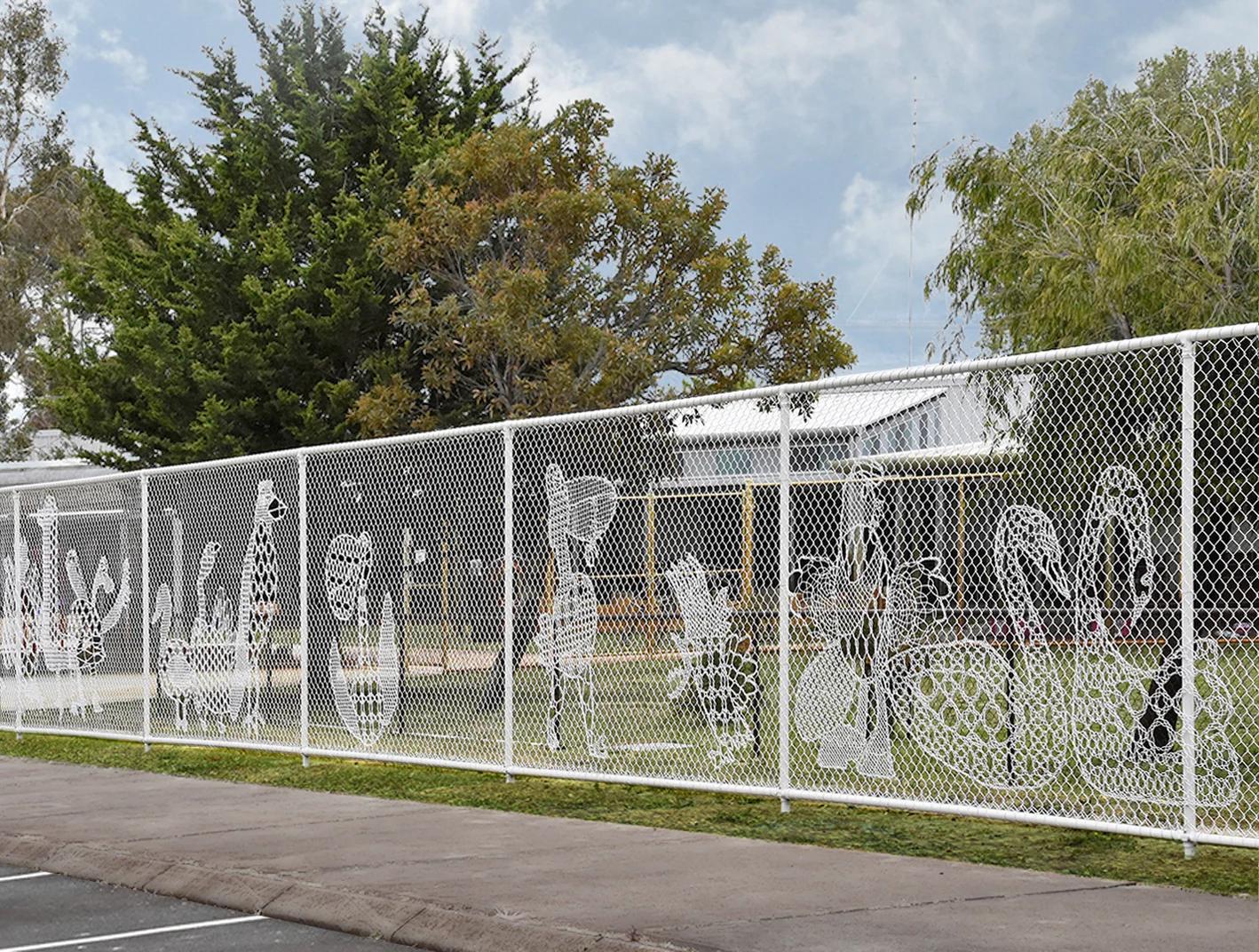
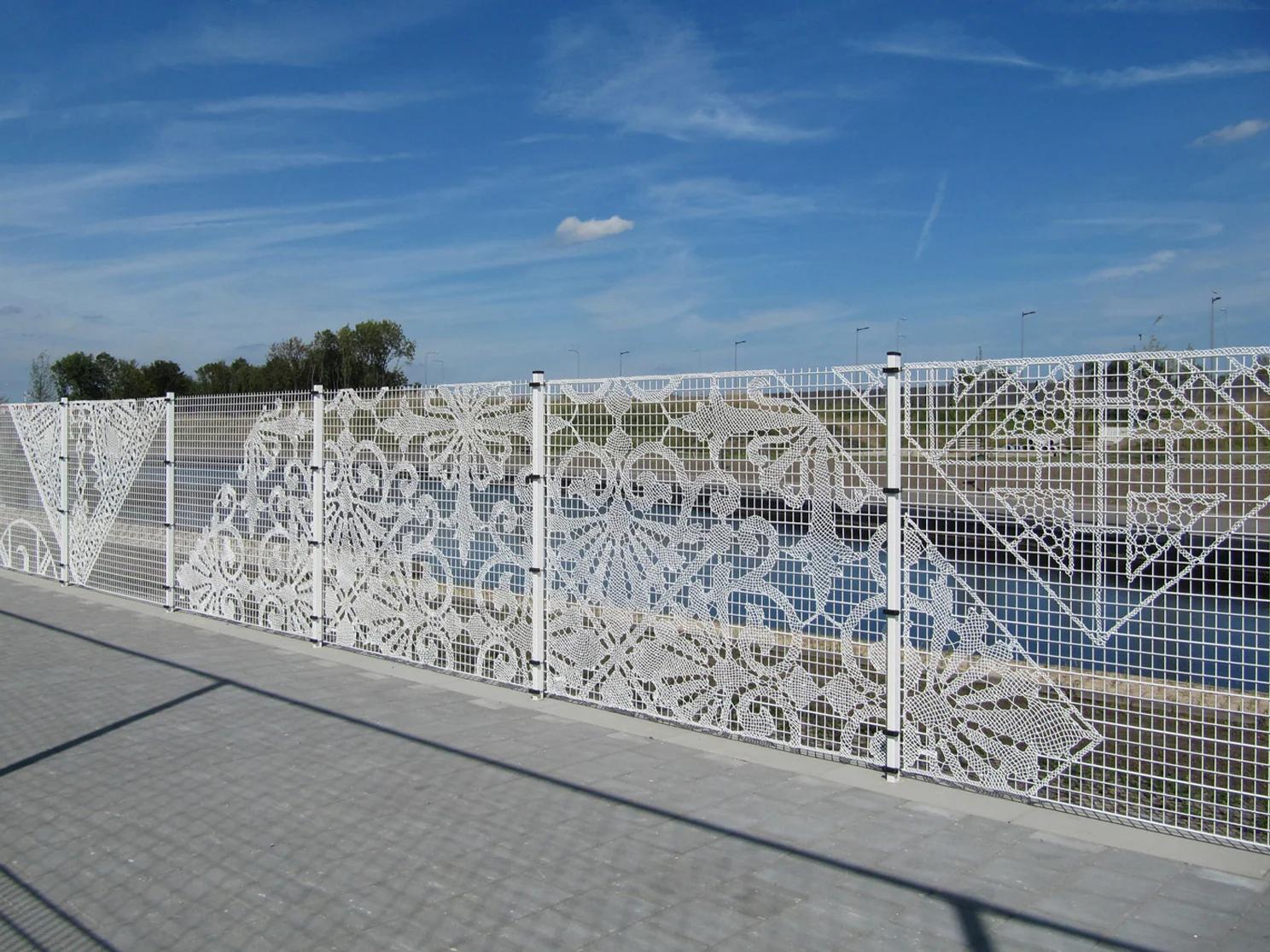
These projects show a sports park near Rotterdam, a roundabout and loading area in Vlissingen and a pumping station on a Rotterdam sports park. Each windbreak fence or screen combines protection with an image that belongs to the place. Open a project to see the design and the photos.
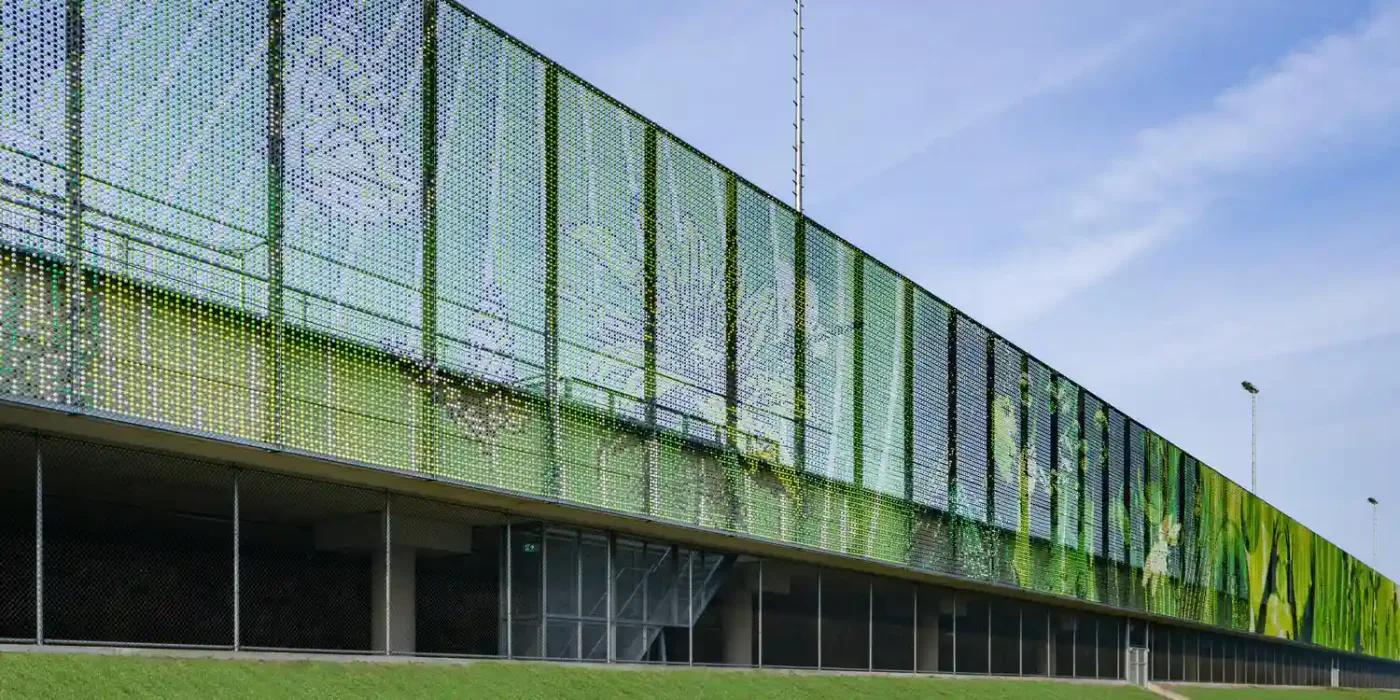
Dedots artistic wind-reducing enclosure for sports park
Dedots animated fence screen for pumping station in sports park
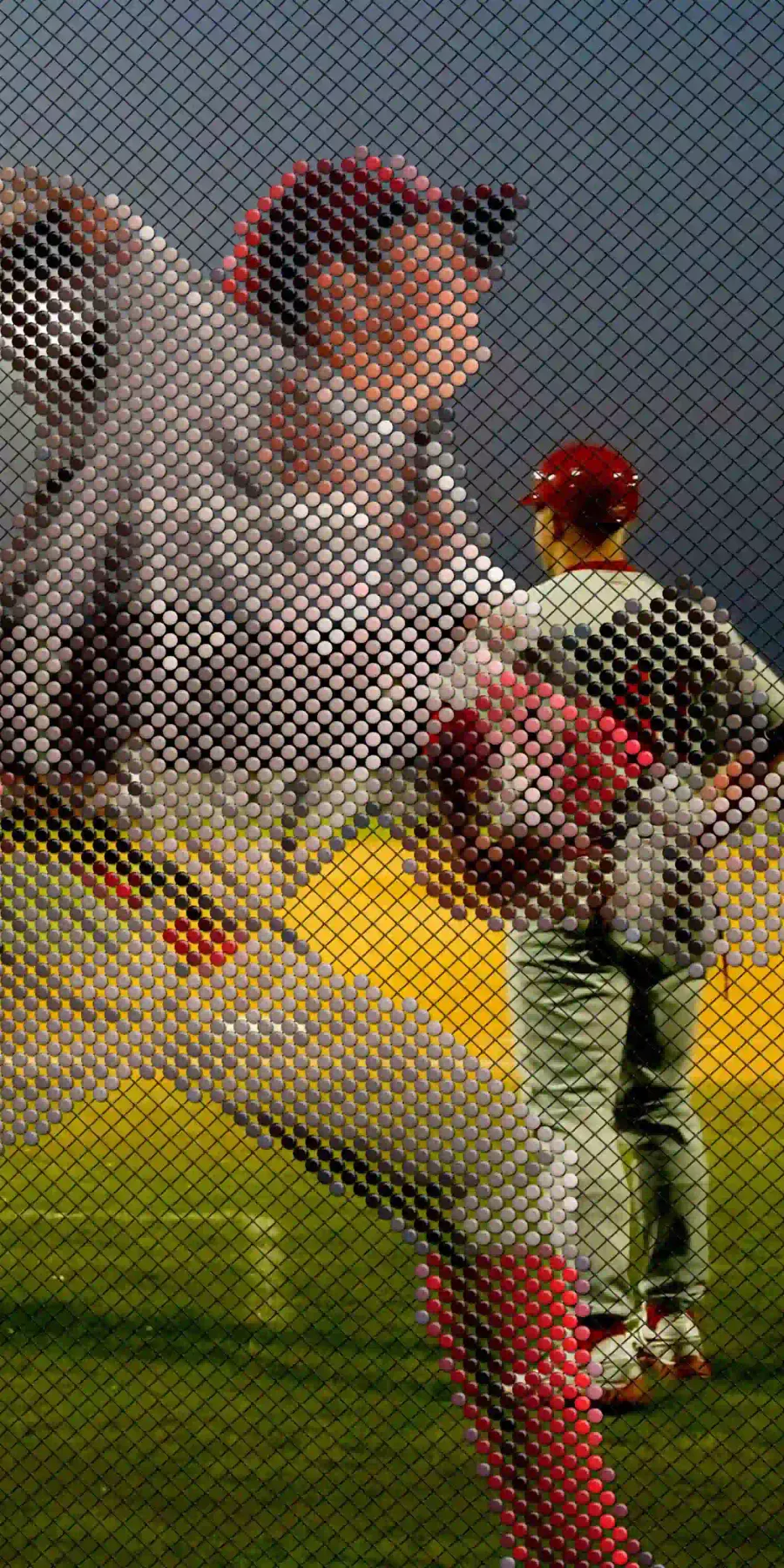
Dedots sports fence with club identity for baseball
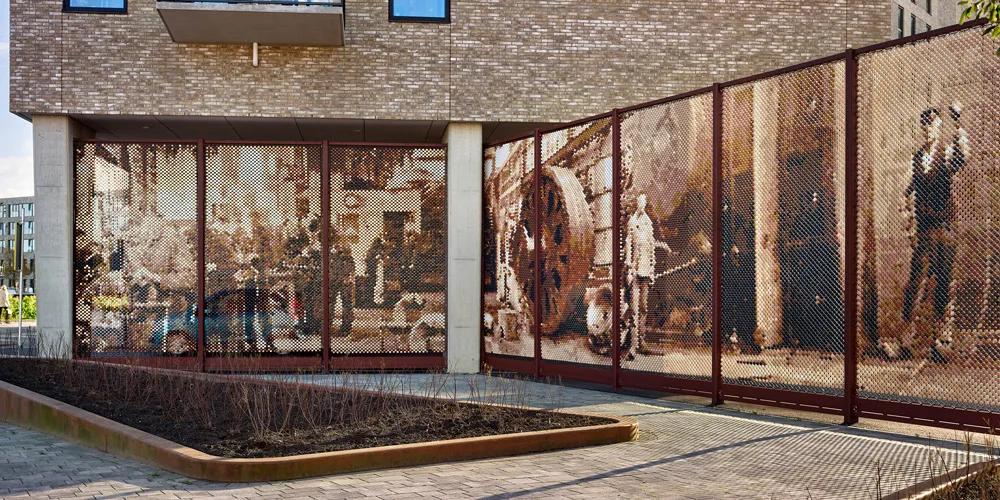
Dedots colorful screen fence for wind shield & landmark entrance
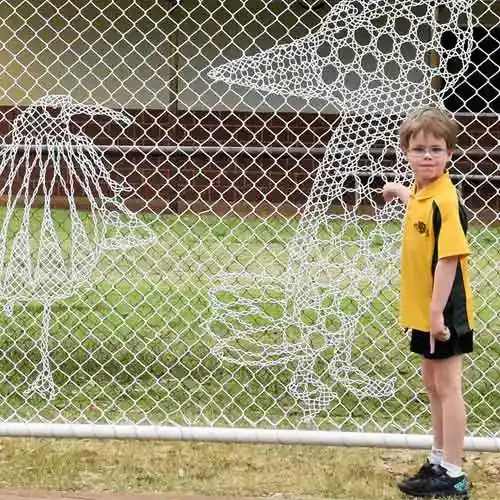
Lace artwork enclosure at Bunbury Primary
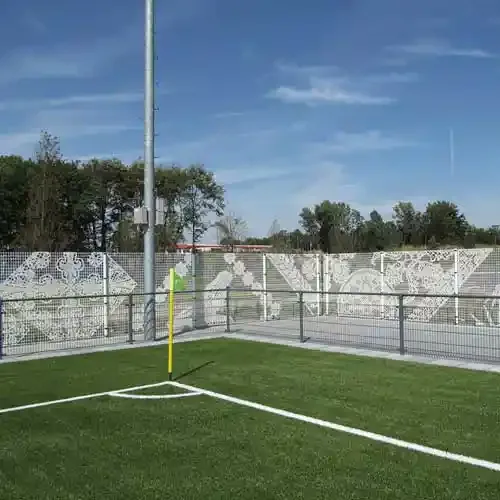
Community-inspired sports park fence
That depends on the density of the design. At the request of the architect of a sports park near Rotterdam Redfort realised a Dedots enclosure that reduces the force of wind on the field by 40%.
On sports fields, at entrances, along roundabouts and around loading areas. In Vlissingen a wind study showed excessive wind at a roundabout, and a Dedots windscreen now shields that spot and the loading area of a supermarket.
Not necessarily. Transparency in Dedots comes from patterns, gradients or open areas, so you control light, view and wind. The mesh structure stays porous, which keeps a windbreak fence from feeling like a closed wall.
Yes. Any image can be translated into Dedots. The windscreen in Vlissingen, designed by Buro MA.AN, shows a collage of archive images from the Schelde shipyard and marks the entrance to the Scheldekwartier.
Yes. Dedots enclosures are made to withstand high impact, and every dot is fixed with an irreversible internal lock. Dedots performs in all weather conditions and has an F1 classification according to the UL746C test.
The PC-ASA plastic of Dedots is coloured all the way through and contains a UV blocker, for high UV stability. Through our return programme we recycle 96% of our products, so the windbreak fence stays circular too.