Secure boundary
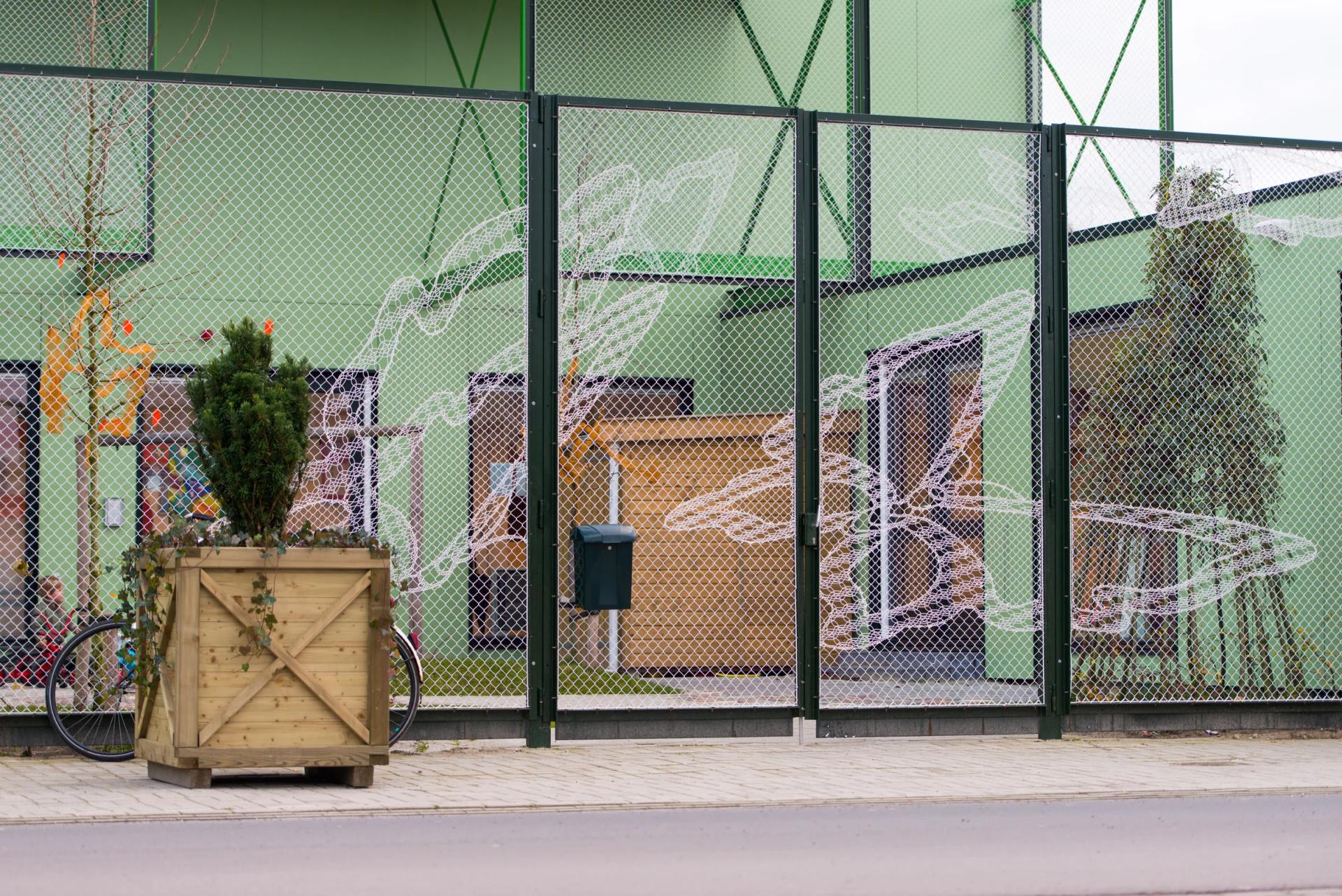
The fence and gates mark where the school grounds begin. Lalace mesh sizes are chosen so pupils cannot climb over, and UV stabilised coatings make the panels suitable for outdoor use year after year.
Solutions
A school needs a secure boundary, but children should not walk to class past something that looks like a barricade. Parents want safety, the school wants an open face to the neighbourhood. Redfort makes school fences that protect pupils and give the school a friendly identity.
Get in touch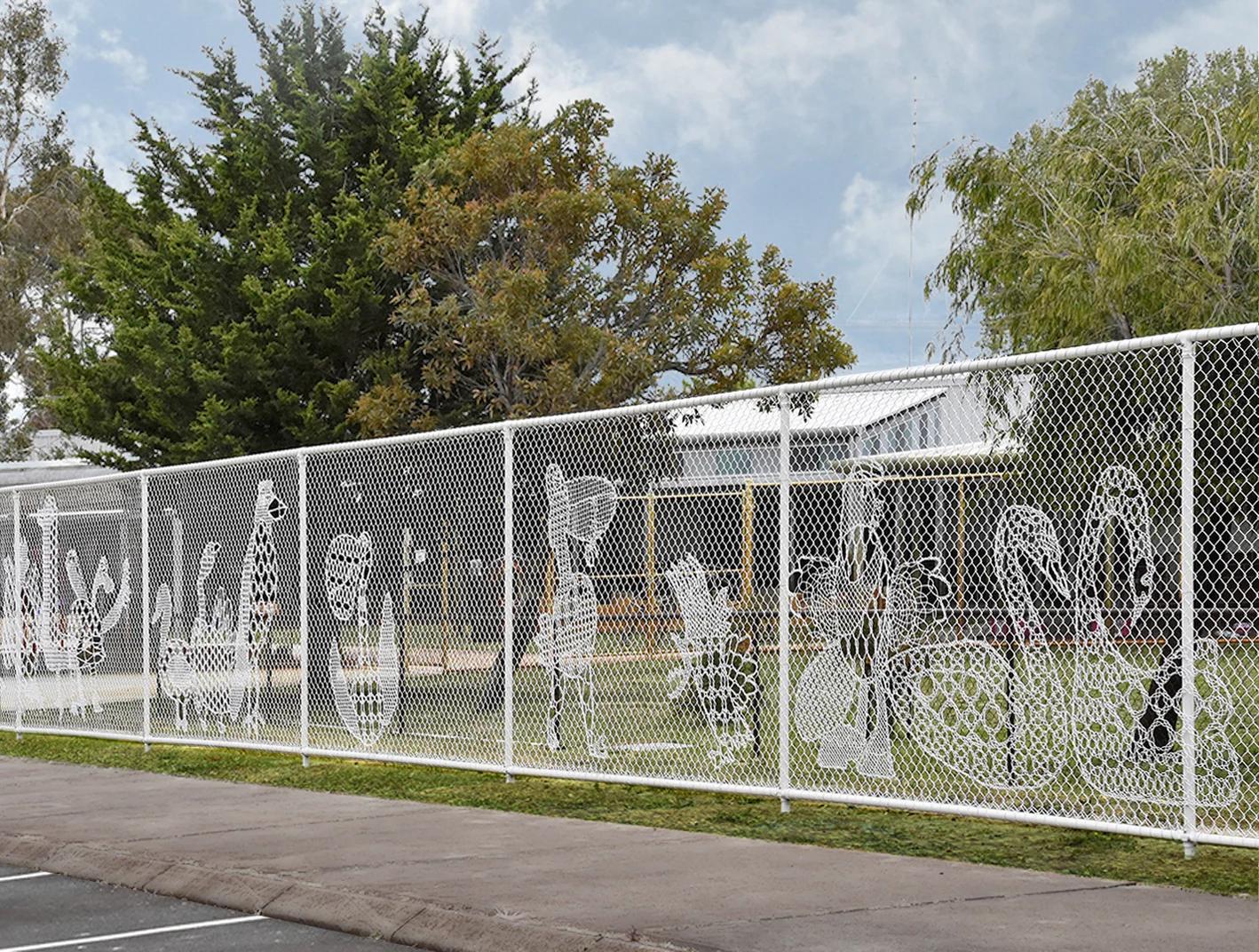
Schools need secure perimeters with fences and gates around the grounds. Standard fencing does that job, but it can make a school look institutional and cold to the children who use it every day. The challenge is a fence that keeps pupils safe and still says that everyone is welcome here.
With Lalace the fence becomes steel lace with a meaningful pattern. At South Bunbury Primary in Australia pupils drew the local birds, and artist Paula Hart turned their drawings into traditional lace bobbin stitches. The result is a strong enclosure that the children recognise as their own work.
The same language can continue inside the school, on staircases and railings, so the building feels coherent. Lalace mesh sizes stop pupils from climbing, and all railing designs comply with EU standards for fall-through protection. See more schools and public buildings in public spaces.
The fence and gates mark where the school grounds begin. Lalace mesh sizes are chosen so pupils cannot climb over, and UV stabilised coatings make the panels suitable for outdoor use year after year.
Children's drawings can become the pattern of the fence. That participatory approach makes the enclosure warm and meaningful rather than institutional, and gives pupils a reason to feel proud of their school.
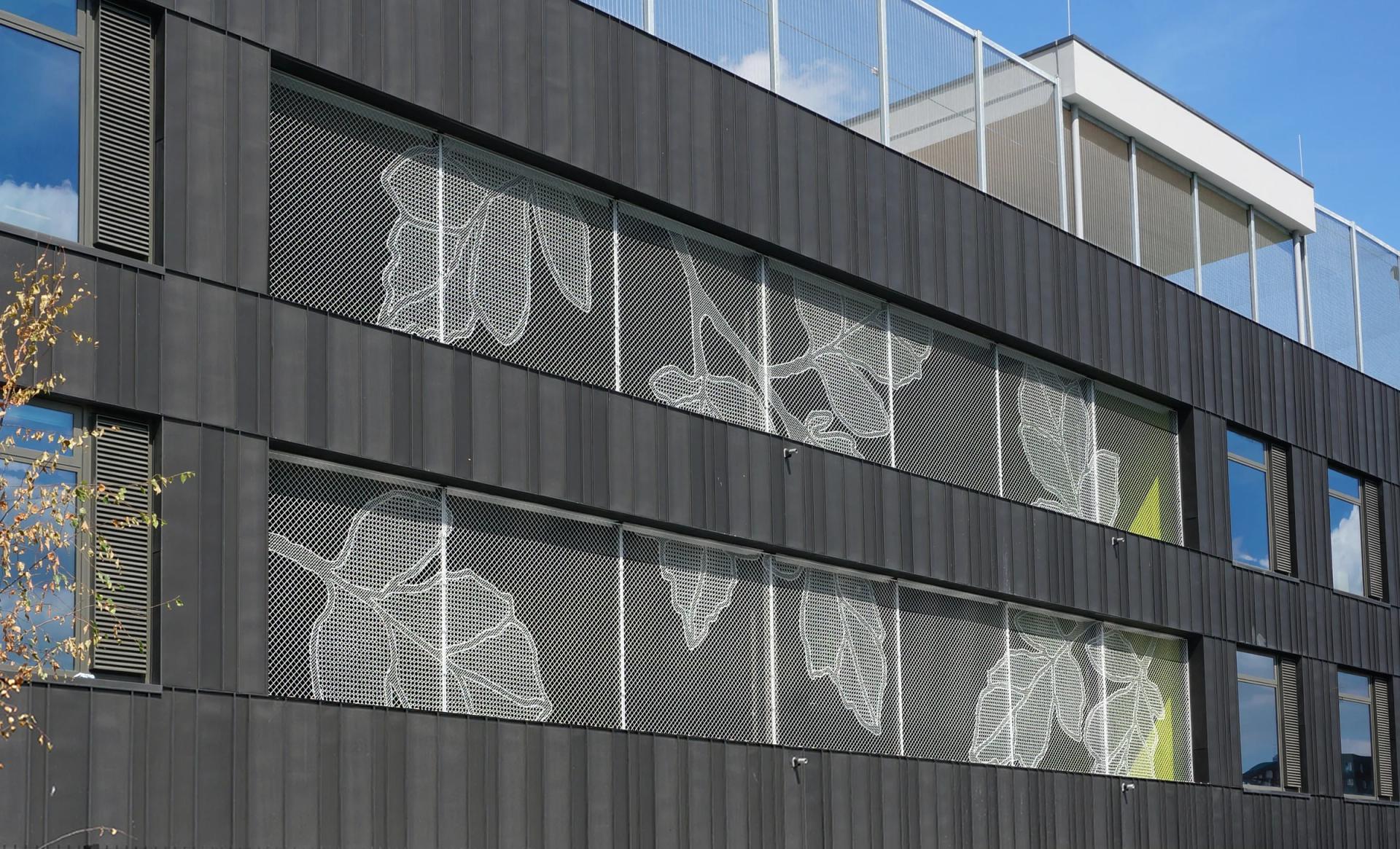
The transparent mesh keeps views in and out, so the school stays part of its neighbourhood. In London a leaf pattern lets children look through what feels like a canopy of large leaves.
Reference projects
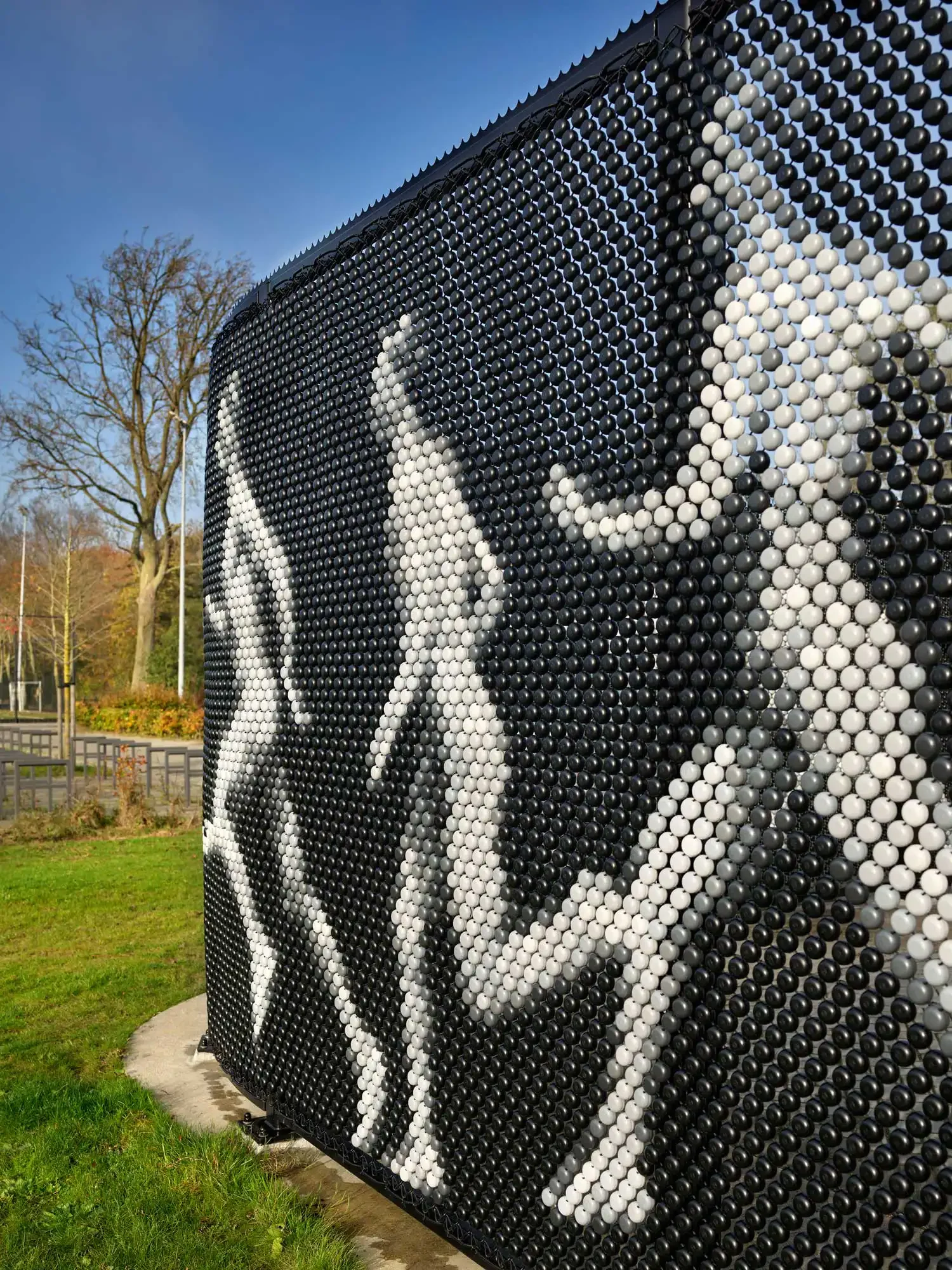
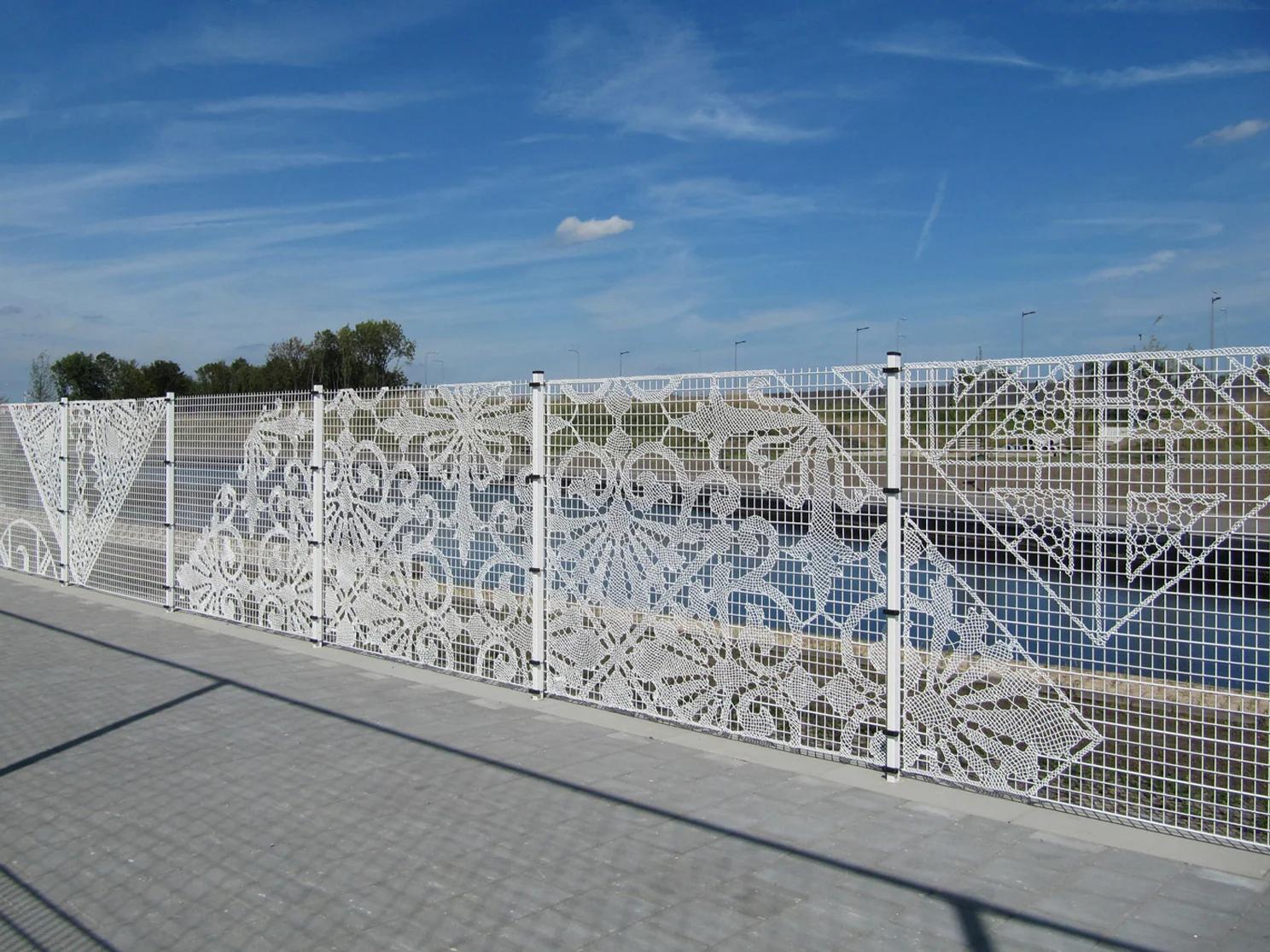
These projects show a primary school in Bunbury, a school facade in London, a school complex in Rotterdam and a child centre in Groningen. Each one proves that a school fence or screen can protect children and still feel friendly. Open a project to see the pattern and the photos.
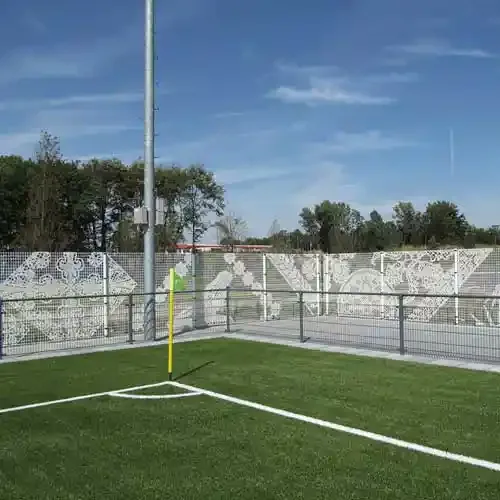
Community-inspired sports park fence
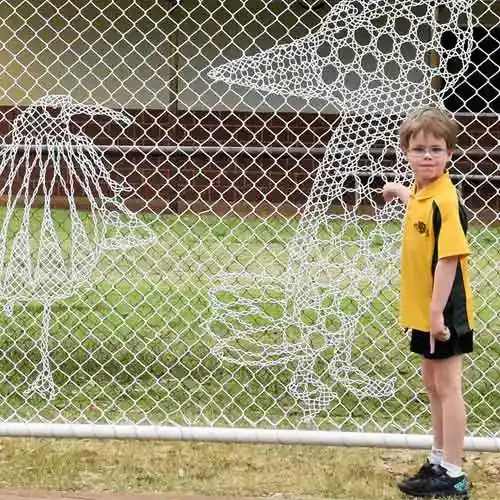
Lace artwork enclosure at Bunbury Primary
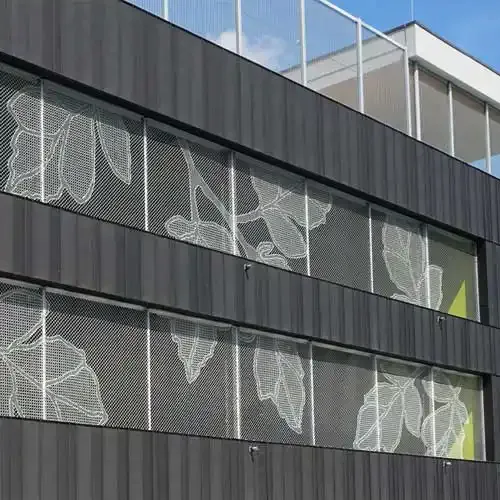
School facade inspired by nature
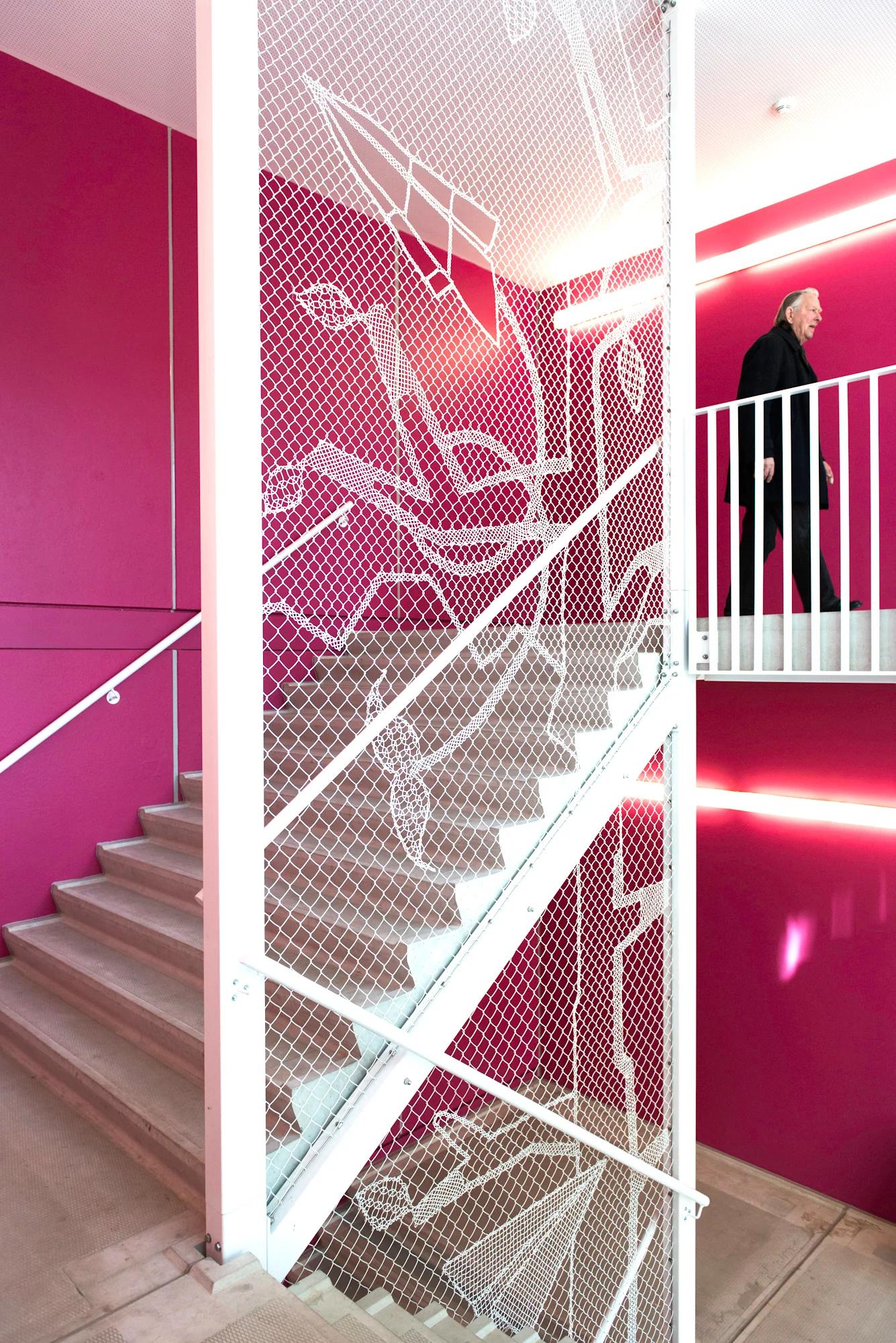
School staircase enclosure
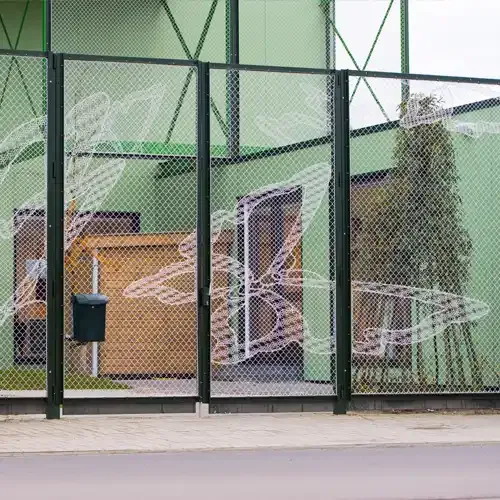
Lalace enclosure for mixed-use pavilion & child center
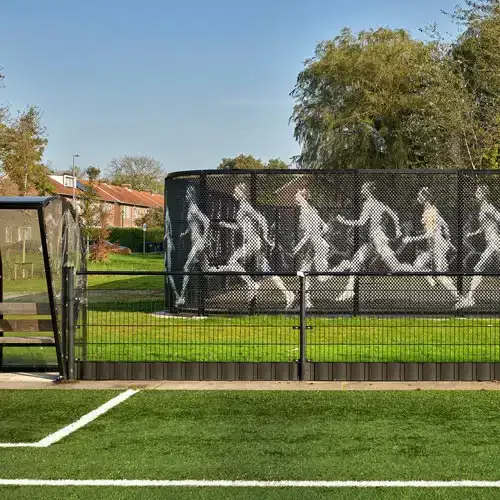
Dedots animated fence screen for pumping station in sports park
Yes. A school fence in Lalace is TNO tested and passes the sandbag impact test, so it is built for daily use around busy grounds. Specific mesh sizes prevent climbing, and for grounds that suffer from vandalism the rigid Welded type is the strongest choice.
Yes. At South Bunbury Primary students drew the local bird life, and artist Paula Hart translated the drawings into a lace pattern for the fence panels. The school community was involved in the concept from the start.
No. Lalace plays with transparency and light, so a school fence can protect without closing the school off. The open mesh keeps sightlines to the street, which helps the school feel welcoming to parents, pupils and neighbours.
Yes. In a school complex in Rotterdam Lalace railing infills with organic patterns make the interior friendly for students. A school fence in the same language links the grounds and the building into one recognisable design.
The flexible Bended type comes on a roll and suits long fences, as at South Bunbury Primary. The robust Welded type needs no substructure and offers the highest resistance against vandalism, which suits busy school grounds.
Yes. A Lalace school fence copes with temperatures from minus 40 to plus 40 °C. The PVC coating or powder coating is highly UV resistant, so pupils and parents see the same bright school fence in every season.