Collection patterns
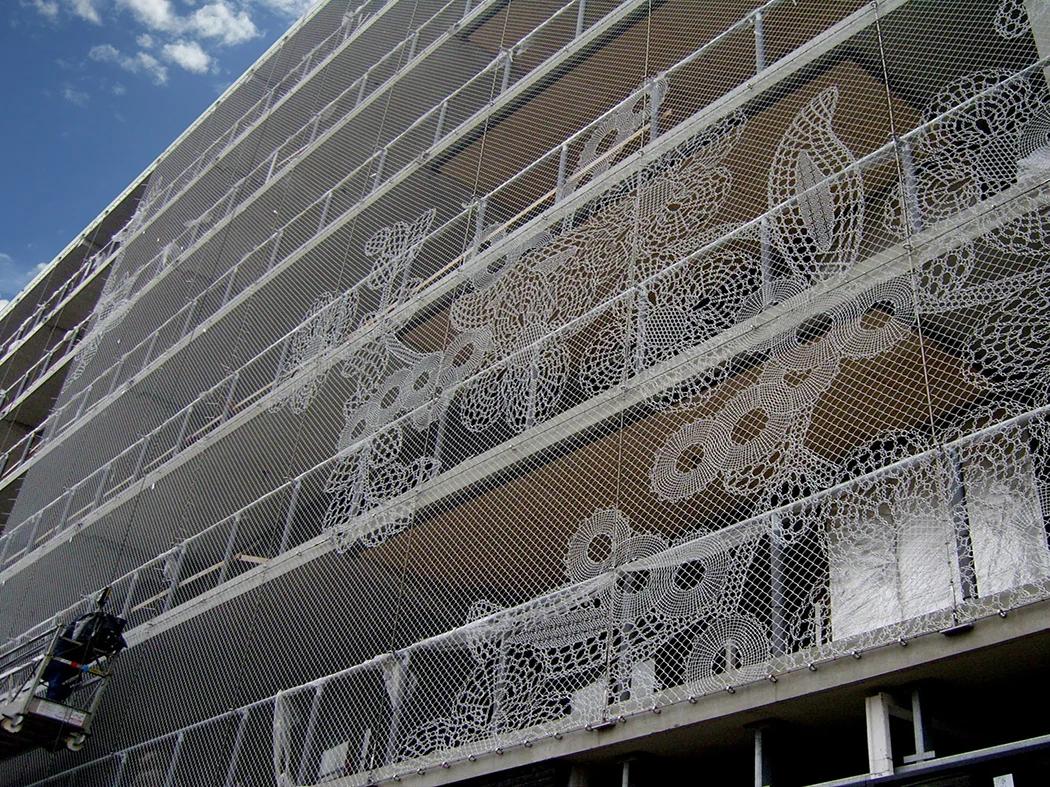
Patterns such as Lotus, Leaves or Butterfly are built from modular parts. Rearranging and scaling them gives each facade its own composition, starting from designs made with architects and graphic artists.
Solutions
A plain facade makes a building anonymous. Decorative facade panels add a motif that gives it character, from a leaf or a lotus flower to a geometric diamond. The question is which pattern fits, and whether you take it from a collection or have it drawn for your building.
Get in touch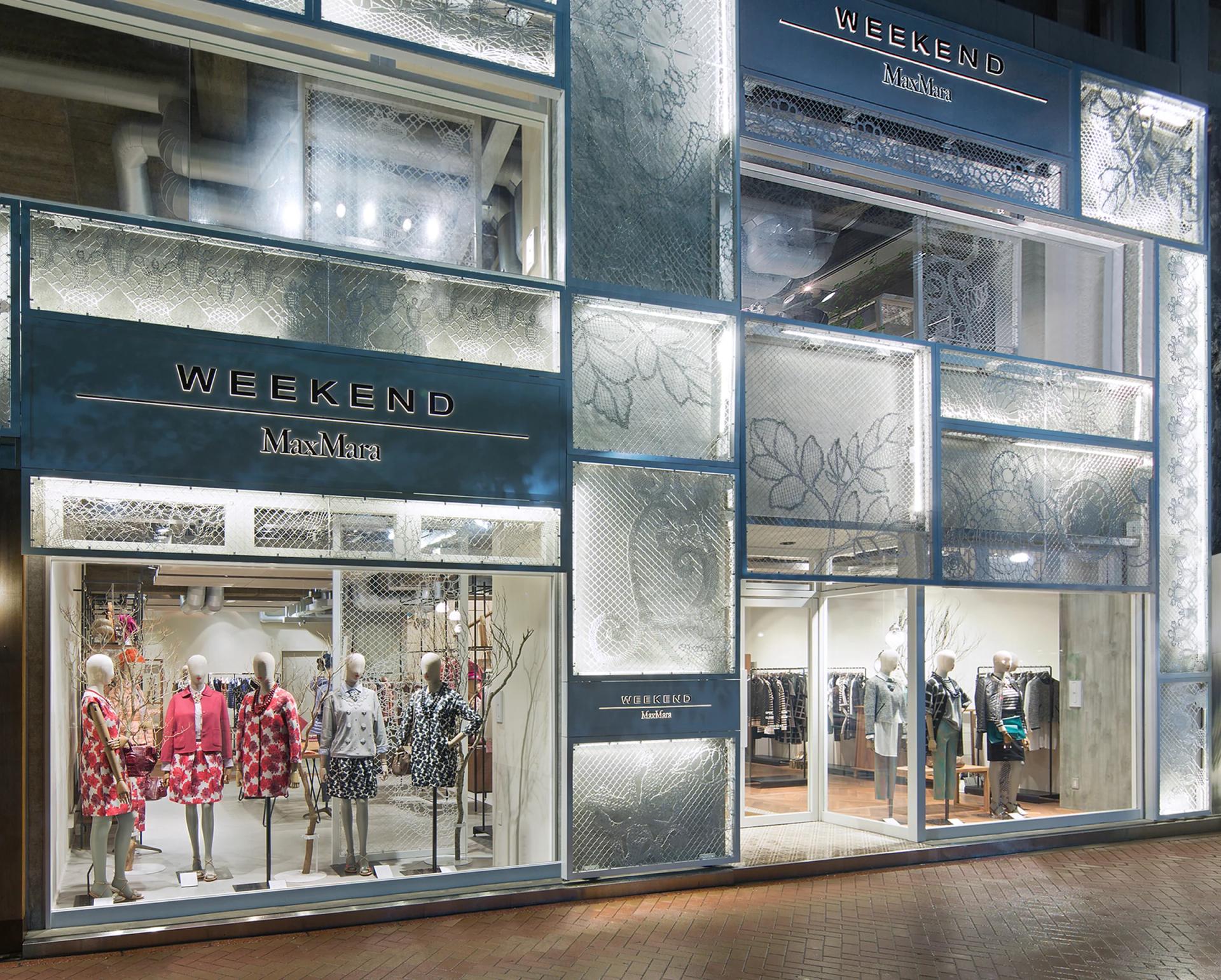
Apartment facades often default to repetitive panels or plain surfaces with little expressive value. Safety and function dominate, and the building misses the chance to show identity. A pattern changes that, but only if it fits the building, its context and the people who live or work there.
The Lalace pattern collection was developed with architects and graphic artists. Its patterns are built from modular parts that can be rearranged and scaled, with heights from 1 to 2 metres. For a fashion store in Tokyo all patterns of the collection were combined into one collage on the facade.
When the collection is not enough, a custom pattern is drawn for the building. More than half of all Lalace projects use one, such as the ivy on an apartment building in The Hague. With Dedots panels build a pattern dot by dot, and every square metre can be unique without repetition.
Patterns such as Lotus, Leaves or Butterfly are built from modular parts. Rearranging and scaling them gives each facade its own composition, starting from designs made with architects and graphic artists.
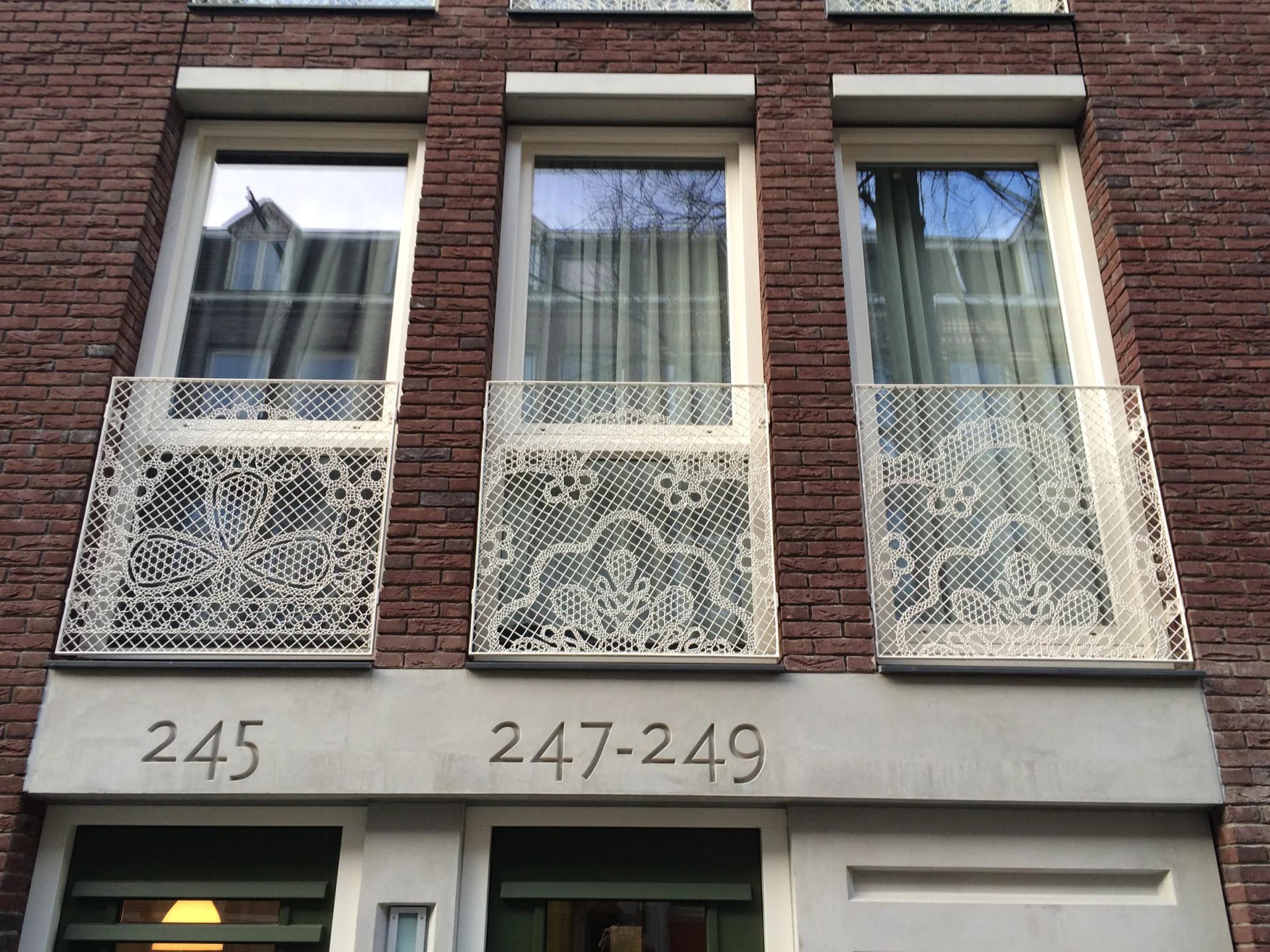
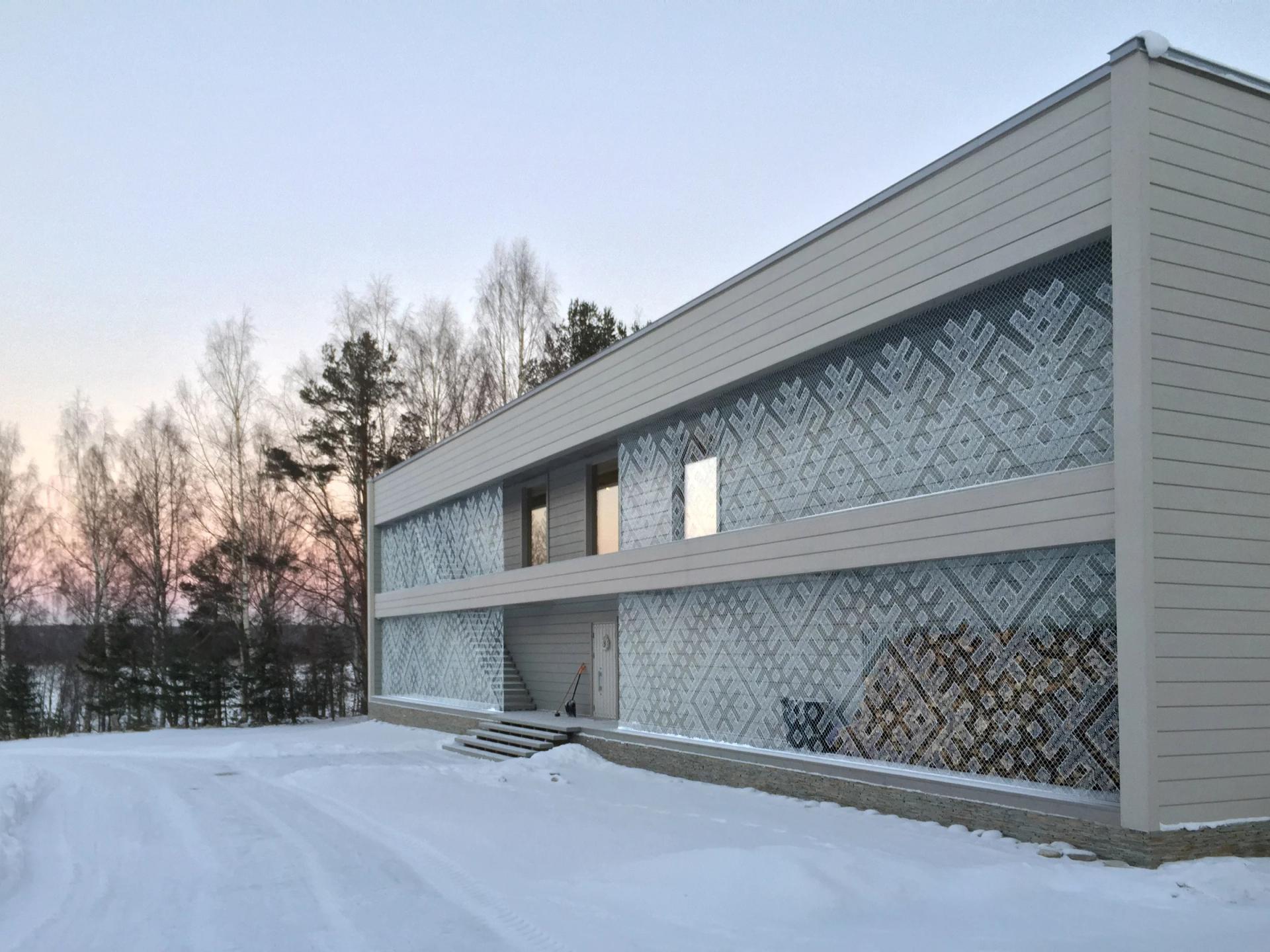
A custom pattern connects the facade with its context, history or users. In Amsterdam an apartment building got French balcony style designs, and a coastal pavilion reinterprets traditional heritage patterns in steel.
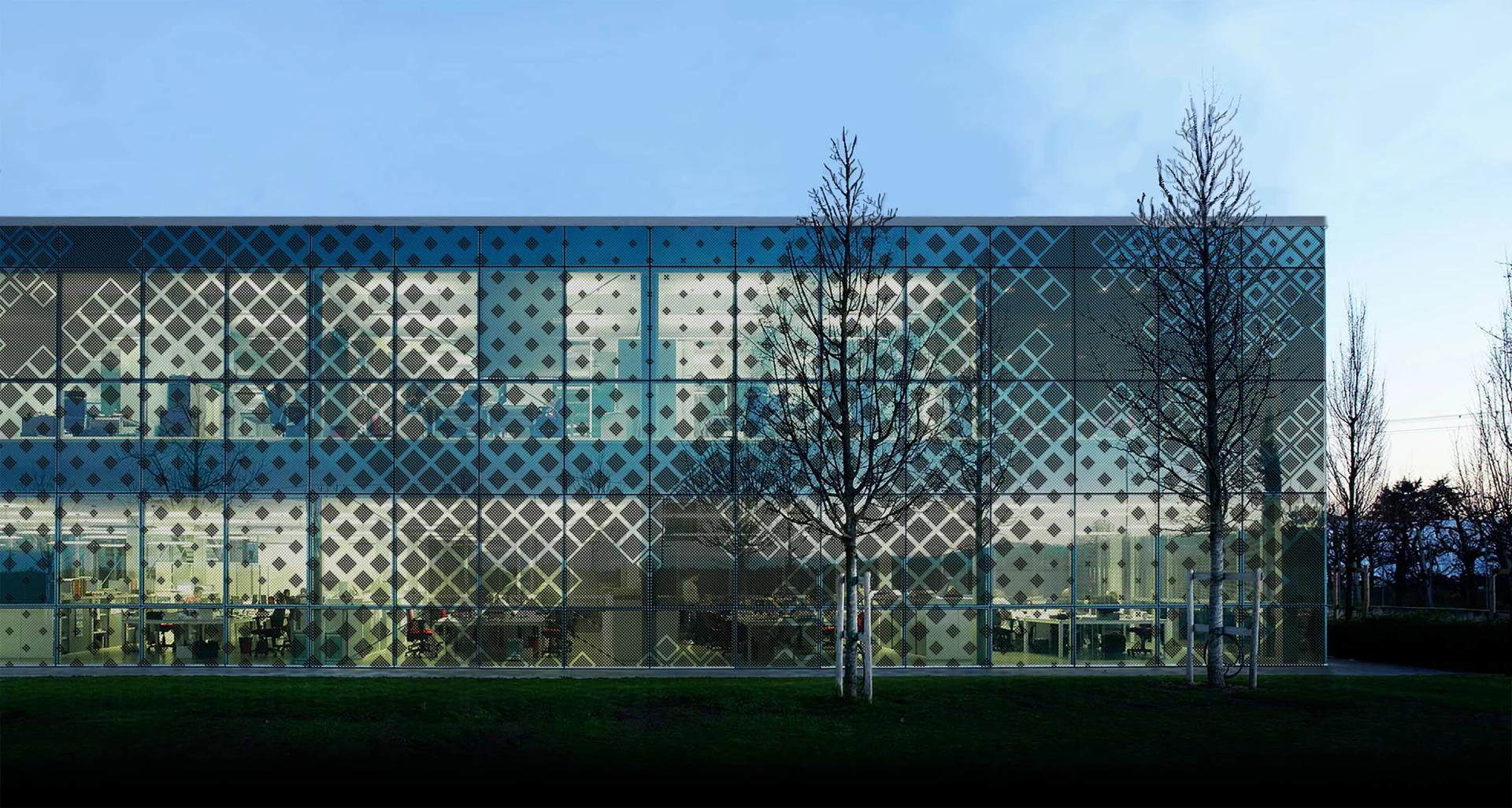
Each panel can carry part of the motif, so the pattern runs across the whole facade. The density can vary per panel too, as in the diamond pattern in Mühlhausen with its different densities.
Reference projects
From a fashion store in Tokyo and apartment buildings in The Hague, Amsterdam and Nykvarn to an office in Mühlhausen and a coastal pavilion, each project shows a different motif. These decorative facade panels use collection patterns or custom designs. Open a project to see the pattern up close.
Lalace patterned facade screen for Tokyo fashion brand
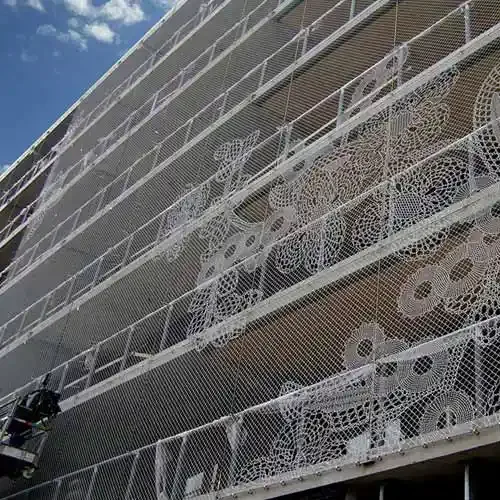
Lalace decorative facade screen with ivy motif
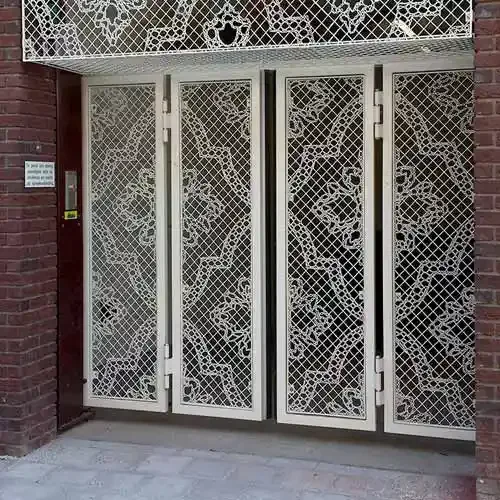
Lalace decorative facade & entrance gate for Amsterdam apartments
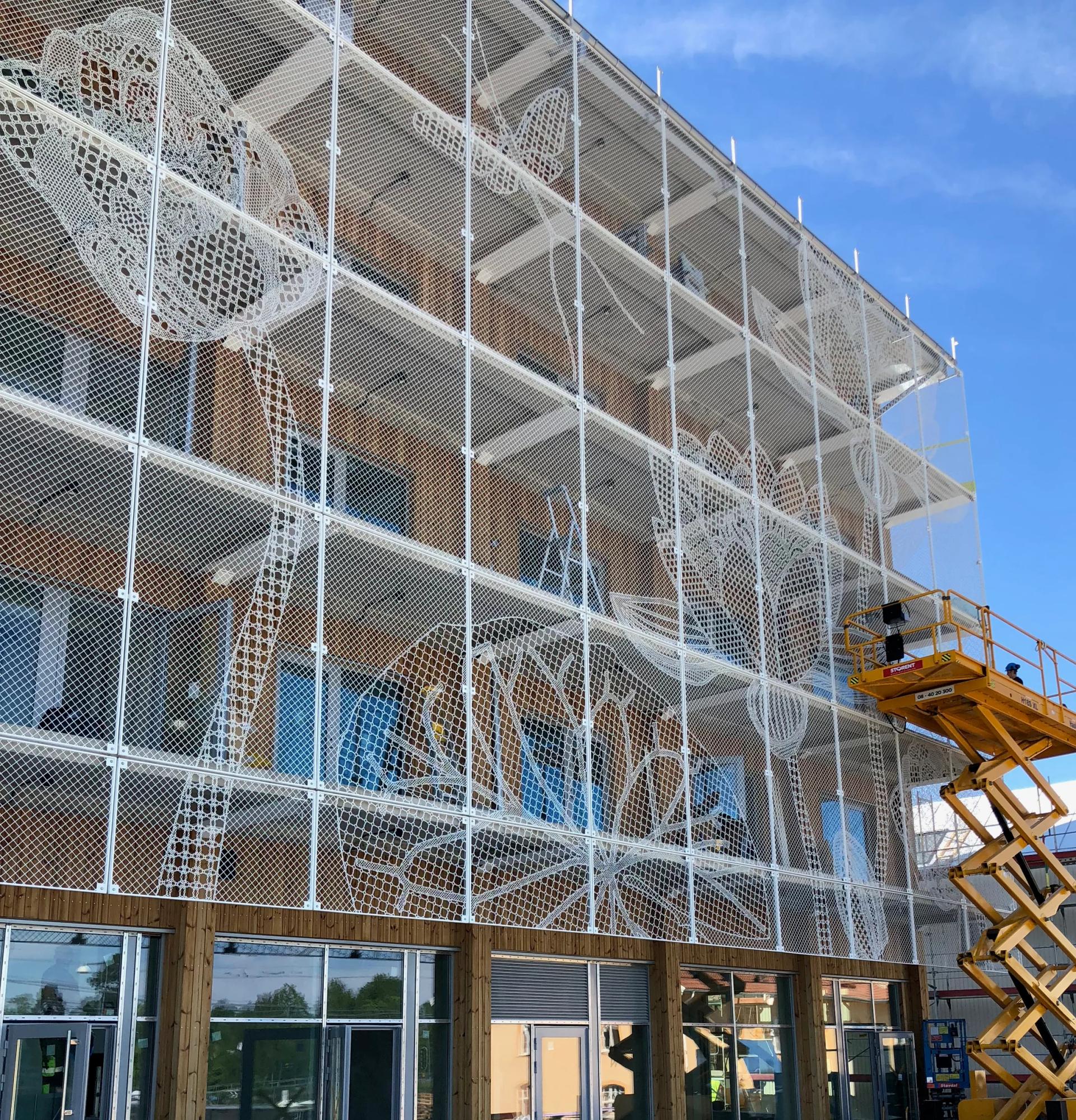
Lalace lotus-pattern facade for residential building
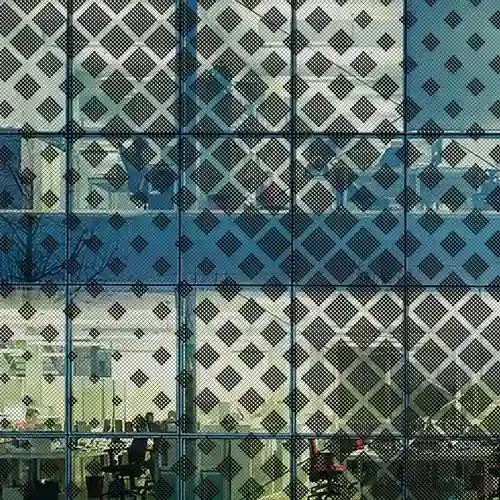
Dedots diamond-pattern facade screen for office building
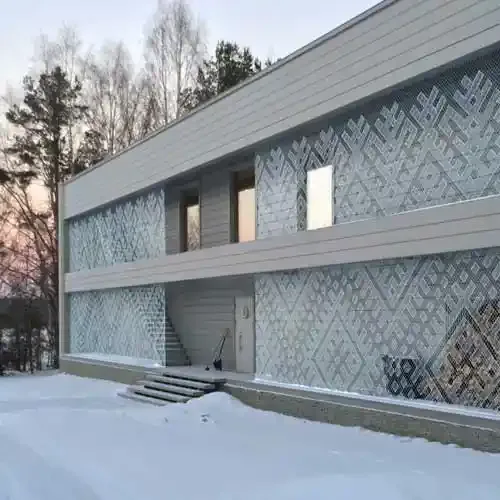
Modern housing facade in coastal setting
The Lalace pattern collection offers designs such as Original, Butterfly, Leaves and Lotus, developed with architects and graphic artists. The patterns are built from modular parts that can be rearranged and scaled, with heights from 1 to 2 metres.
Yes. As each project is unique, Redfort also creates custom patterns. More than half of all Lalace projects use a design made for that place, like the ivy on an apartment building in The Hague. You can also combine collection and custom parts.
Yes. With the modular system each square metre can be unique, without repetition. The motif can run across all panels as one image, or every panel can carry its own variation. With Dedots each panel is built up dot by dot.
Yes. Welded Lalace panels can be powder coated in a wide range of colours, and Dedots offers 77 standard colours with custom shades on request. Special finishes such as copper or chrome are possible with Dedots as well.
Welded Lalace panels are up to 3 by 2 metres and need no substructure, with borders finished in 6, 8 or 10 mm double rods. The Bended type allows bigger dimensions. Dedots projects start from 150 m².
Yes. Besides adding character, the panels can act as a safeguard for residents and visitors, as on the lotus facade in Nykvarn, or as shading. The open structure allows natural ventilation, so the facade keeps breathing.